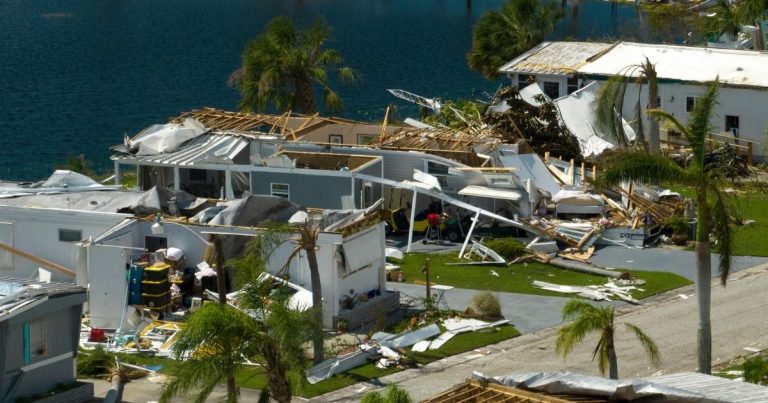
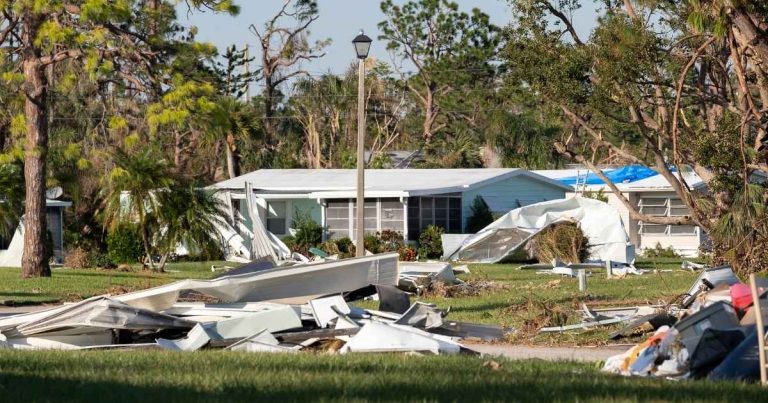
Florida homeowners insurance policy language — both Citizens Insurance Corporation standard policy terms and private market carrier contracts — requires policyholders to take reasonable steps to prevent further damage after a covered loss event. Emergency roof tarping is the contractually required response to a storm-breached roof in Palm Beach County. A tarp installed incorrectly, by an unlicensed contractor, or without proper documentation is not a valid mitigation event under Florida insurance law — and the additional damage that results from inadequate temporary protection may be excluded from the claim settlement.
What the Duty to Mitigate Actually Requires
Florida homeowners insurance policies impose a duty to mitigate — a contractual obligation requiring the policyholder to take reasonable steps to prevent damage beyond the initial covered loss. For a storm-breached roof, the duty to mitigate requires emergency tarping within a reasonable time after the storm passes and the property can be safely accessed. Florida courts have generally defined "reasonable time" in the context of post-hurricane mitigation as 24–72 hours after safe access is available — not days or weeks.
For the decision framework on when a tarp is sufficient versus when permanent work is required, see emergency tarping vs. permanent roof repair in Florida.
Failure to mitigate gives the insurance carrier grounds to reduce the claim for any additional damage that occurred after the initial storm event because the homeowner failed to act. In practice: a roof breached by a hurricane that allows water to saturate insulation, damage ceilings, and begin mold growth over a week of inaction is a claim the carrier can legitimately reduce — attributing the secondary damage to the homeowner's failure to tarp, not to the storm itself. The carrier pays for storm damage; it does not pay for damage that occurred because the homeowner did not protect the property after the storm.
What a Valid Insurance Tarp Installation Looks Like
Not all tarping satisfies the duty to mitigate under Florida insurance claim standards. A valid tarp installation for insurance purposes meets the following requirements as of May 2026:
Licensed contractor. The tarping must be performed by a Florida CCC-licensed contractor. Tarping performed by the homeowner, by an unlicensed handyman, or by an out-of-state contractor without a Florida CCC license does not constitute a professional mitigation event for insurance documentation purposes. Some carriers have disputed mitigation claims specifically on the basis that the work was not performed by a licensed contractor.
Adequate coverage. The tarp must cover the entire damaged area with a minimum 12-inch overlap beyond the damaged zone on all sides. A tarp that covers only the visible breach point but leaves adjacent deteriorated areas exposed does not satisfy the requirement to prevent further damage — the adjacent deterioration will allow water entry in subsequent rainfall events.
Proper attachment. Post-hurricane South Florida experiences continued tropical moisture, follow-on rainfall events, and gusty winds before the weather fully settles. A tarp attached inadequately — with insufficient weight, anchoring, or perimeter attachment — fails in the next rainfall event and provides no protection. Proper tarp attachment for PBC conditions uses weighted lumber or sandbag ballast at all edges and mechanical fastening at roof penetrations where anchor points are available.
Itemized invoice. The tarping contractor must provide a detailed invoice specifying: tarp square footage installed, material specifications, hours of labor, and total cost. This invoice is submitted to the insurance carrier as a covered mitigation expense as part of your storm damage claim filing. A lump-sum invoice with no itemization is not adequate for insurance claim documentation and may be disputed or reduced by the adjuster.
Storm Chaser Tarping - The Specific Fraud Risk
Post-storm Palm Beach County attracts contractors who offer emergency tarping as a loss-leader to get a foot in the door for the full replacement contract. Several specific fraud patterns are associated with post-storm tarping offers in PBC. First, contractors who install tarps and simultaneously present Assignment of Benefits agreements — the tarp provides the pretext for a property access that converts to a claim assignment the homeowner did not intend. Second, contractors who install inadequate tarps that fail quickly, creating the appearance of ongoing storm damage that justifies a more aggressive replacement claim. Third, contractors who charge materially above-market tarping rates on the premise that insurance will cover it — inflating the mitigation cost as leverage in the subsequent replacement negotiation.
The protection against all of these: verify CCC license at myfloridalicense.com before signing anything, get a written itemized quote before work begins, do not sign any agreement that includes AOB or direction-to-pay language, and confirm the tarping contractor is not the same entity that will be proposing the full replacement scope — a conflict of interest that is not prohibited but that creates misaligned incentives. Verified emergency tarping contractors are listed city by city — start with roofers in Riviera Beach or your own municipality.
Blue Tarps from FEMA - Limitations for Insurance Purposes
Following a major hurricane, FEMA's Sheltering and Temporary Essential Power (STEP) program and similar assistance programs sometimes provide blue tarp installation at no cost to homeowners in designated disaster areas. FEMA tarp installation satisfies the duty to mitigate under Florida insurance policy terms — it constitutes reasonable action by the homeowner to prevent further damage. However, FEMA tarps are installed to a minimum standard that may not provide the same level of protection as a professionally installed insurance-grade tarp. If a FEMA tarp fails before the adjuster inspection and additional water damage occurs, document the FEMA installation date and any subsequent failure to preserve the duty-to-mitigate defense.
- Tarp within 24–72 hours of safe property access — failure to mitigate allows carrier to exclude progressive damage
- Use only CCC-licensed contractors for tarping — unlicensed installation does not constitute valid insurance mitigation
- Confirm tarp covers full damaged area with 12-inch minimum overlap beyond damage zone on all sides
- Confirm proper attachment — weighted ballast or mechanical anchoring, not just laid on the roof
- Get itemized invoice: tarp sq footage, material specs, labor hours, total cost — not a lump sum
- Submit tarping invoice with initial claim filing — not as a late supplement
- Do not sign any AOB or direction-to-pay agreement at tarping stage — review all documents before signing
- If FEMA tarp is installed, document installation date and condition — records the mitigation action for insurance purposes