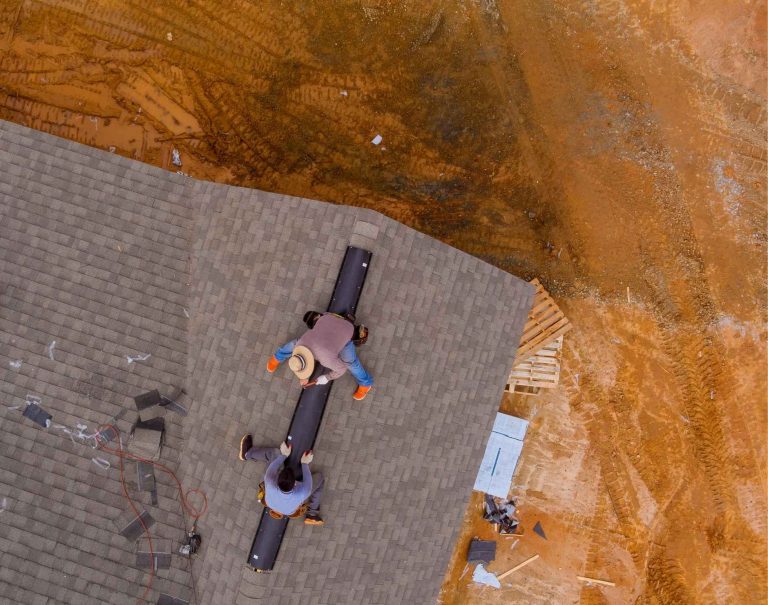
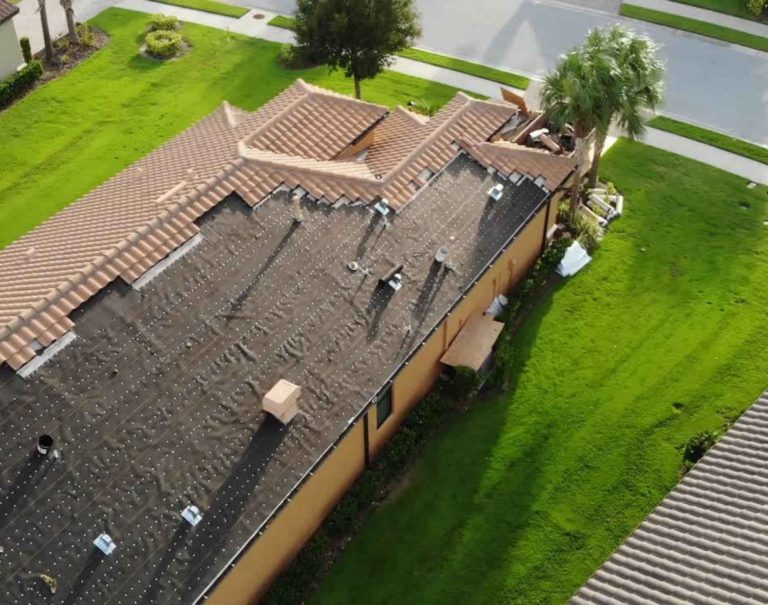
A valid roof damage claim in Florida can be reduced, denied, or voided by actions the homeowner takes — or fails to take — before, during, and after the loss event. Florida insurance law and standard homeowners policy language both impose specific obligations on policyholders, and violations of those obligations give carriers grounds to dispute or deny coverage. Understanding the most common ways PBC homeowners inadvertently compromise their own claims is the foundation of protecting the coverage you have paid for.
Mistake 1 - Delaying Damage Reporting
Florida homeowners insurance policies require "prompt notice" of a loss. Florida Statute 627.70132 establishes specific reporting deadlines for hurricane and non-hurricane property claims following 2023 reform legislation — one year for hurricane claims, two years for all other property claims, running from the date of the loss event.
But statutory deadlines are maximums, not targets. Policy language typically uses "prompt" or "reasonable" notification language, and carriers have argued successfully that delayed reporting prejudiced their ability to investigate the claim. If you suspect storm damage, report it to your carrier within 72 hours of discovery — do not wait until you have a contractor estimate in hand.
Mistake 2 - Allowing Permanent Repairs Before Adjuster Inspection
Beginning permanent repair work before your insurance adjuster has inspected the damage is one of the most common claim-voiding errors Florida homeowners make. Once permanent repairs are completed, the carrier cannot independently verify the original damage — its extent, cause, or pre-existing condition. Most Florida homeowners policies include language allowing the carrier to reduce or deny coverage for damage that cannot be verified because repairs were made without prior inspection. Emergency tarping and temporary weatherproofing are explicitly permitted and required. Permanent replacement or repair before adjuster inspection is not.
Mistake 3 - Signing an Assignment of Benefits
Florida SB 2A (2023) significantly restricted Assignment of Benefits (AOB) for property insurance claims, but the practice has not disappeared entirely. An AOB agreement transfers your insurance claim rights to a contractor, allowing them to deal directly with your carrier and receive payment directly. Under post-2023 law, AOB for residential property insurance claims is restricted — but some contractors continue presenting these agreements, particularly immediately following storm events. Signing an AOB can complicate your claim, limit your ability to participate in settlement negotiations, and in some cases create contract disputes that outlive the underlying claim. Do not sign any agreement that transfers your claim rights without reviewing it with an attorney or licensed public adjuster.
Mistake 4 - Hiring an Unlicensed Contractor
Work performed by an unlicensed roofing contractor is a direct policy violation in most Florida homeowners policies. Policy language typically requires that covered repairs be performed in a workmanlike manner and in compliance with applicable laws and regulations. Florida law requires CCC licensure for all roofing work.
Work done by an unlicensed contractor is a building code violation. If your carrier discovers that post-storm repairs were performed by an unlicensed contractor, it has grounds to dispute coverage for those repairs — and potentially for subsequent damage that results from defective unlicensed work.
Mistake 5 - Failure to Mitigate Further Damage
Florida homeowners policies impose a duty to mitigate — you are required to take reasonable steps to prevent further damage after the initial loss event. If your roof is breached and you fail to arrange emergency tarping, allowing water intrusion to damage your ceilings, walls, insulation, and interior contents over multiple days of South Florida rainfall, your carrier may reduce the claim to exclude the additional damage caused by your failure to act.
The duty to mitigate does not require you to make permanent repairs — it requires reasonable temporary measures. A licensed contractor installing an emergency tarp within 24–48 hours of a storm event satisfies the mitigation duty. Doing nothing for a week while waiting to get three contractor bids does not.
Mistake 6 - Pre-Existing Damage and Deferred Maintenance
Florida homeowners policies cover sudden and accidental losses — not gradual deterioration, pre-existing damage, or damage resulting from deferred maintenance. If your roof was already failing before the storm event, carriers will argue that the storm exposed pre-existing conditions rather than causing new damage. This is one of the most contested issues in Florida roof claims. Adjusters look for: cracked or spalling concrete tile that clearly predates the storm, missing or degraded mortar on ridge caps indicating long-term neglect, rust staining around penetrations indicating a slow pre-existing leak, and granule loss on shingles consistent with aging rather than impact damage.
The defense against a pre-existing condition denial is documentation of your roof's condition before the event. Homeowners who had a professional inspection within the past 12–24 months and can produce a report showing the roof was in serviceable condition have a strong evidentiary foundation for arguing the damage was storm-caused rather than pre-existing. Licensed roofers in Boynton Beach and every PBC municipality provide these condition reports. Licensed roofers in Boynton Beach and every PBC municipality provide these condition reports.
Mistake 7 - Misrepresentation on the Original Policy Application
If you misrepresented your roof's age, condition, or material type when you obtained the policy — or failed to disclose a prior claim — your carrier may have grounds to rescind the policy entirely, not just deny the claim. Florida Statute 627.409 governs misrepresentation in insurance applications and gives carriers rescission rights for material misrepresentations. This is relatively rare for roof claims but does occur when the adjuster's inspection reveals that the roof is significantly older than represented on the application or that a prior storm event was never disclosed.