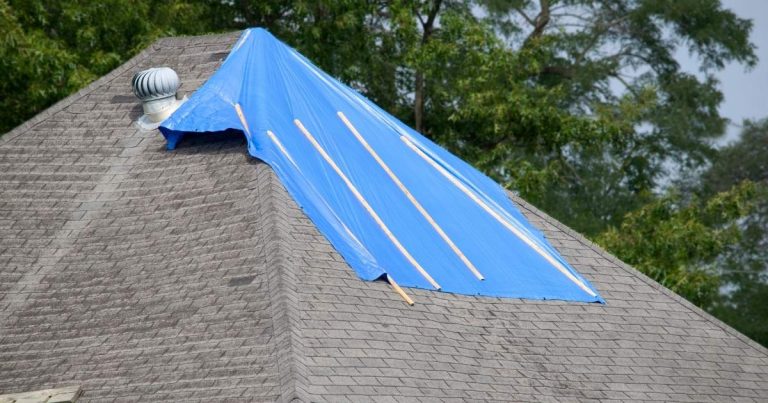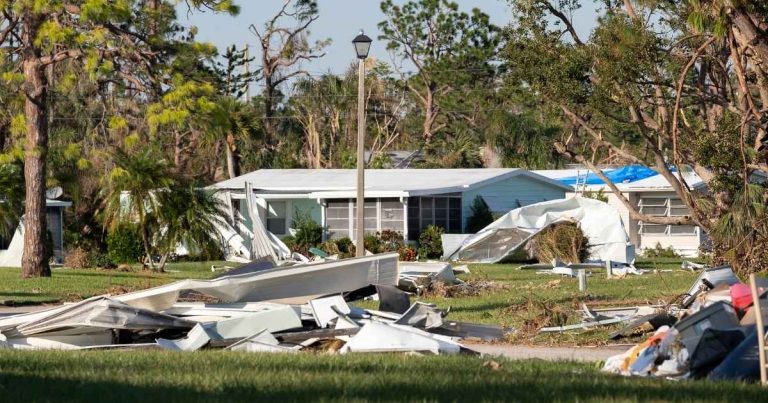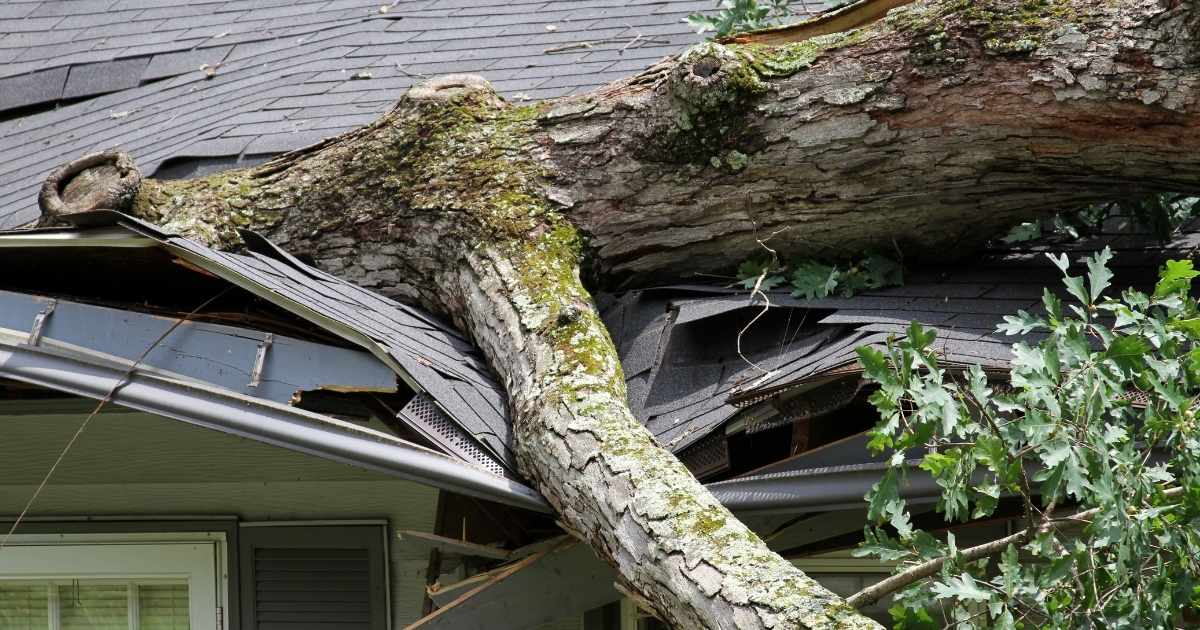
Every significant storm that moves through Palm Beach County is followed within hours by a second wave — unlicensed contractors, often from out of state, who move door-to-door soliciting roof work before homeowners have opened a claim, contacted their carrier, or had time to think. These contractors are not marginal actors. They are organized, they carry professional-looking materials, and they know exactly what to say to a homeowner standing under a blue tarp. Knowing how to identify them, what they are prohibited from doing under Florida law, and how to report them is a critical part of protecting both your roof and your insurance claim.
Florida law requires that any contractor performing roofing work hold a current, active CCC license issued by the Florida Department of Business and Professional Regulation. A CCC license — Certified Roofing Contractor — is the specific credential that authorizes roofing work on residential structures in Palm Beach County and across the state. There is no equivalent, no substitute, and no grace period. A contractor who performs roofing work without a current CCC license is committing a first-degree misdemeanor under Florida Statute 489.127, regardless of the quality of work performed.
Verification takes under two minutes. The Florida DBPR maintains a public license lookup at My Florida License. Enter the contractor's name or license number. The result shows license status (active, inactive, delinquent, or revoked), insurance and bonding status, any complaints or disciplinary actions on record, and the expiration date. An active license with current insurance is the minimum standard. An inactive or expired license is grounds to end the conversation.
The six red flags that identify an unlicensed storm chaser
No CCC license number on any document. A licensed contractor's CCC number appears on their business card, proposal, contract, permit application, and vehicle. If a contractor cannot produce a CCC number immediately upon request, do not proceed. The license number format is CCC followed by six digits — for example, CCC123456. Ask for it before discussing any scope of work.
Out-of-state license plates and unmarked vehicles. Legitimate local roofing contractors operating in Palm Beach County are established businesses with Florida-registered vehicles. A contractor arriving in an out-of-state truck with no company markings is a significant red flag, particularly in the days immediately following a named storm when out-of-state operators move into affected areas.
Immediate pressure to sign a contract. Licensed, reputable contractors in Palm Beach County provide written proposals and give homeowners time to review. A contractor who arrives unsolicited and insists on a signed contract, deposit, or authorization before leaving the property is deploying high-pressure sales tactics that are characteristic of post-storm fraud operations. These tactics overlap heavily with the broader roofing contractor red flags every Florida homeowner should recognize.
Large upfront cash payment demands. Florida law does not prohibit deposits for roofing contracts, but a demand for 50% or more of the total job cost upfront — particularly in cash — is a standard fraud pattern. Licensed contractors with established PBC operations typically require a modest deposit (10–20%) with the balance due at completion after final inspection.
An Assignment of Benefits document presented before work begins. Florida Statute 489.147 explicitly prohibits contractors from requiring Assignment of Benefits as a condition of emergency repairs or any roofing work. An AOB transfers your insurance claim rights — including negotiation, settlement, and payment — directly to the contractor. A contractor who presents an AOB document as a routine part of the process is either uninformed about Florida law or is deliberately attempting to capture your claim. For a full explanation of when emergency tarping is appropriate versus permanent repair in Florida, and why AOB is a risk in both scenarios, see our companion post.
Vague or verbal-only damage assessments. A licensed CCC contractor provides a written damage assessment with itemized scope, measurements, and material specifications. A contractor who offers only a verbal assessment or a one-line proposal is not providing the documentation that Citizens Insurance and private carriers require to process a claim.
For licensed storm damage roof repair in Palm Beach County by DBPR-verified CCC contractors, verification of license status is the first step in every engagement — not an afterthought.
What to do if you have already signed with an unlicensed contractor
If you have signed a contract with a contractor and subsequently discovered the license is inactive, expired, or nonexistent, Florida law provides several protections. Do not make any further payments. Contact DBPR's contractor licensing complaint line at 850-487-1395 to file a report. If work has already begun and materials are on site, document everything with photographs and do not allow additional work to proceed.
If an AOB was signed, contact a Florida-licensed public adjuster or attorney who handles insurance disputes before your carrier processes any claim under that AOB. Signed AOBs are not automatically irrevocable and Florida courts have increasingly scrutinized AOB assignments in the post-storm fraud context.
What to do before the storm — the verification checklist
The most effective time to vet a roofing contractor is before the storm arrives, not after. Homeowners who identify a licensed CCC contractor during a non-emergency period are dramatically less vulnerable to post-storm fraud. A contractor relationship established before hurricane season means a known, licensed, insured professional responds when damage occurs — not an unknown arrival at the door. Start with verified roofers near you.
If you do not currently have a roofing contractor relationship, now — before June 1 — is the correct time to establish one. Every contractor in the directory has already passed the 561 Roofers verification process.
How to report an unlicensed contractor in Palm Beach County
Florida DBPR — Unlicensed Activity Hotline: 1-866-532-1440 Online complaint: myfloridalicense.com → File a Complaint Palm Beach County Building Division: 561-233-5100 Florida Attorney General's Office (for fraud): 1-866-966-7226
Reports to DBPR can be made anonymously. Providing the contractor's name, company name, vehicle description, and any documents they provided accelerates the investigation. DBPR publishes enforcement actions publicly, which removes unlicensed operators from the market and protects other homeowners in the same storm-affected area.
For a complete walkthrough of the correct sequence for filing a storm damage roof claim in Florida — including how to work with your licensed CCC contractor through the adjuster inspection — see our dedicated guide.
- ✓ Ask for the CCC license number before any discussion of scope or pricing. Format: CCC followed by six digits. If the contractor cannot produce it immediately, end the conversation.
- ✓ Verify the license at www.myfloridalicense.com before signing anything. Confirm status is Active, insurance is current, and no disciplinary actions are listed. Takes under two minutes.
- ✓ Do not sign any document before reading it completely. Specifically look for "Assignment of Benefits," "AOB," or any language transferring claim rights. Decline any such document — it is prohibited under Florida Statute 489.147.
- ✓ Do not make large upfront cash payments. A modest deposit (10–20%) is standard for established PBC contractors. Demands for 50%+ upfront are a fraud indicator.
- ✓ Request a written damage assessment with itemized scope. A written document with measurements, materials, and CCC license number is the minimum acceptable standard for any roofing proposal in Florida.
- ✓ Do not allow permanent repairs before your adjuster inspects. An unlicensed contractor who completes permanent repairs before adjuster inspection eliminates both your claim documentation and your legal recourse.
- ✓ Report unlicensed activity to DBPR at 1-866-532-1440. Reports can be made anonymously. Enforcement actions are published publicly and protect other homeowners in your area.