Soffit and fascia damage is among the most underreported roofing-related maintenance issues in Palm Beach County — because it typically develops gradually and remains hidden from casual inspection until it has progressed significantly. Florida Building Code Section 1503 governs roof drainage and edge conditions that directly affect soffit and fascia performance, and Citizens Insurance treats visible soffit and fascia deterioration as a property condition that can affect policy terms. Understanding what causes this damage, how to identify it early, and when repair versus replacement is the correct response is essential for PBC homeowners maintaining their properties.
What Causes Soffit and Fascia Damage in Palm Beach County
Soffit and fascia damage in PBC homes has four primary causes, each of which produces a distinct damage pattern and requires a different response.
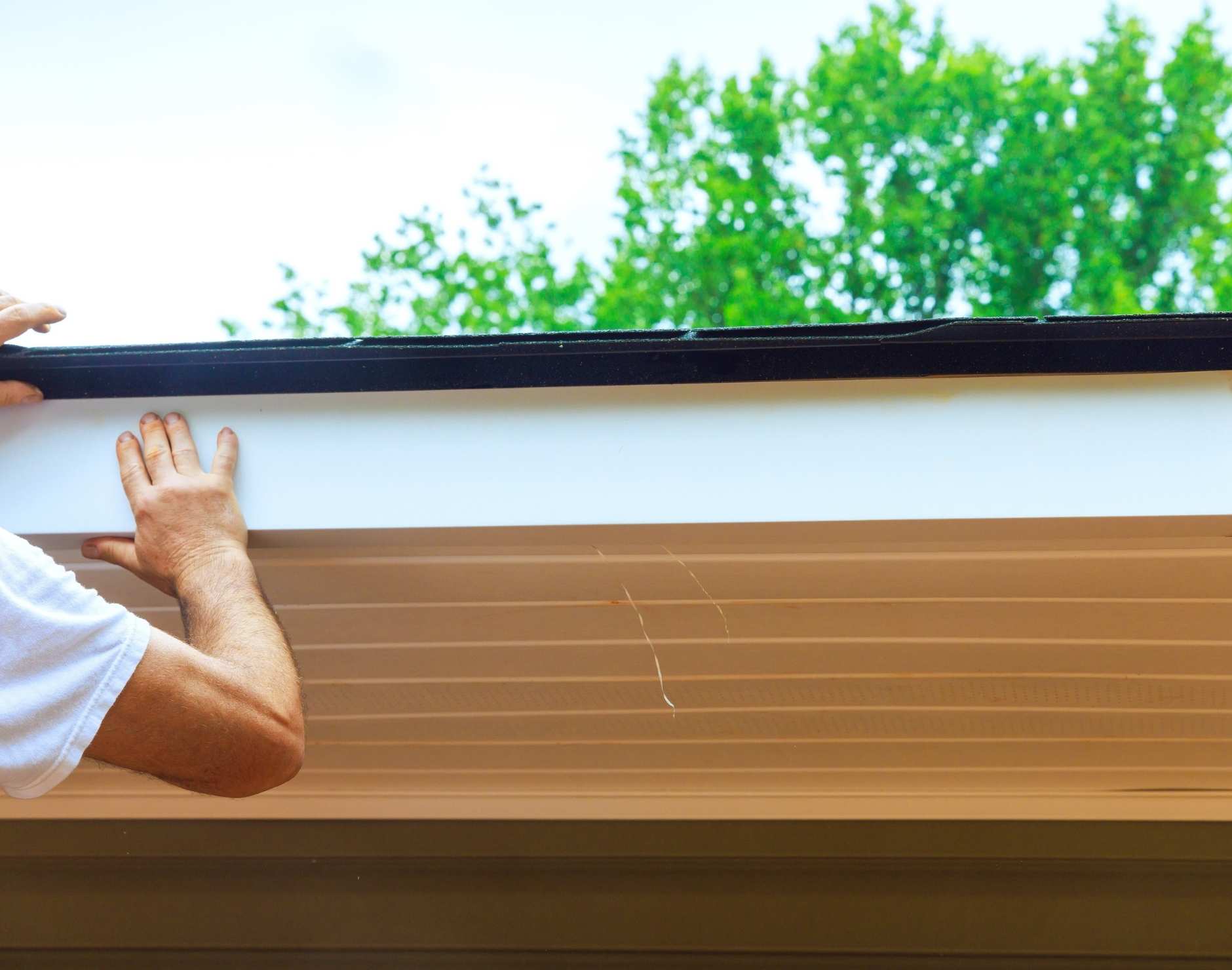
Water intrusion from above — drip edge failure. The most common cause of fascia rot in Palm Beach County. When drip edge is absent, incorrectly installed, or has failed due to corrosion, water traveling down the roof slope overshoots the gutter and contacts the fascia board directly. South Florida's 60+ inches of annual rainfall means this contact is frequent and sustained. The fascia absorbs moisture, the wood fibers swell and contract with each wet-dry cycle, and rot begins at the top edge of the fascia board — often not visible from the ground until significant structural deterioration has occurred. Left unaddressed, eave rot progresses into active interior leaks - see roof leak repair in South Florida for that failure path.See our guide on drip edge requirements under FBC Section 1507.2.9 for the prevention side of this issue.
Gutter overflow and backwater. Gutters that are undersized for South Florida's rainfall intensity, that are clogged with debris, or that have failed end caps or joint seals allow water to overflow behind the gutter — directly onto the fascia. This failure mode produces rot at the back face of the fascia board that is invisible until the board fails structurally. In PBC, gutters clog rapidly from the combination of oak catkins, palm fronds, and debris from summer storms. Cleaning gutters before and after hurricane season is a direct soffit and fascia protection measure. If your gutters already show these failure modes, see gutter repair vs. replacement in Palm Beach County.
Condensation and attic moisture. Inadequate attic ventilation — particularly common in older PBC homes where the original ventilation design was minimal — creates high moisture levels in the attic space that condense on the underside of the roof deck and on the structural members that connect to the fascia. Over time, this moisture exposure rots the rafter tails and the fascia nailers from the inside — a failure mode that is invisible until the structural member fails.
Animal intrusion. Raccoons, squirrels, and rats exploit any gap in the soffit to access attic space in Palm Beach County. Once inside, they create additional moisture pathways, damage insulation, and can compromise wiring. A soffit repair that does not address the animal entry point produces a repeat intrusion within months.
FBC Section 1503 — Drainage and Edge Requirements
Florida Building Code Section 1503 establishes requirements for roof drainage design that directly affect soffit and fascia performance. The code requires that roof drainage systems — gutters, downspouts, scuppers — be designed and installed to direct water away from the building envelope without allowing water to pool against or saturate exterior wall and trim elements. A drainage system that consistently directs water into contact with fascia boards is a code-compliance deficiency — not just a maintenance problem.
When a roofing contractor in Palm Beach County performs a replacement and discovers that the existing gutter system is undersized or improperly sloped, they have an obligation under FBC to address the drainage design as part of the project or note the deficiency in writing. Homeowners who are told by a contractor that the drainage system is adequate when it demonstrably is not are receiving incomplete professional advice.Licensed contractors who handle fascia and drainage scopes are listed for Lantana and all 39 Palm Beach County cities.
Repair vs Board-Out — When Each Applies
Soffit and fascia repair involves replacing the damaged sections of wood, vinyl, or aluminum components while preserving the structural elements they attach to. Board-out is the complete replacement of fascia boards, soffit panels, and associated framing members - appropriate when structural damage extends beyond surface materials into the rafter tails and nailers.
The decision point: if rot is confined to the fascia surface material and the rafter tails behind it are structurally sound, section repair with pressure-treated or composite replacement material is appropriate. If probing the rafter tails reveals soft, punky wood that deforms under pressure, the structural member has failed and board-out with new framing is required. This distinction can only be determined by physical inspection of the structural condition — not from the ground, and not from photographs.
- Inspect fascia boards at the top edge near the drip edge — this is where rot begins, typically invisible from the ground
- Clean gutters before and after hurricane season — clogged gutters are a primary fascia damage driver in PBC
- Check drip edge condition — missing or corroded drip edge is the most common cause of fascia rot in PBC
- Probe rafter tails during any repair to confirm whether structural members are sound or require replacement
- For animal intrusion, identify and seal all entry points before soffit repair — repair without exclusion produces rapid re-entry
- Address soffit and fascia damage before ordering a Four-Point Inspection — visible deterioration affects Citizens policy terms
- Confirm repair contractor will pull a permit if the scope includes structural member replacement
- For coastal properties, specify aluminum or composite replacement materials — wood fascia in salt-air environments re-rots quickly