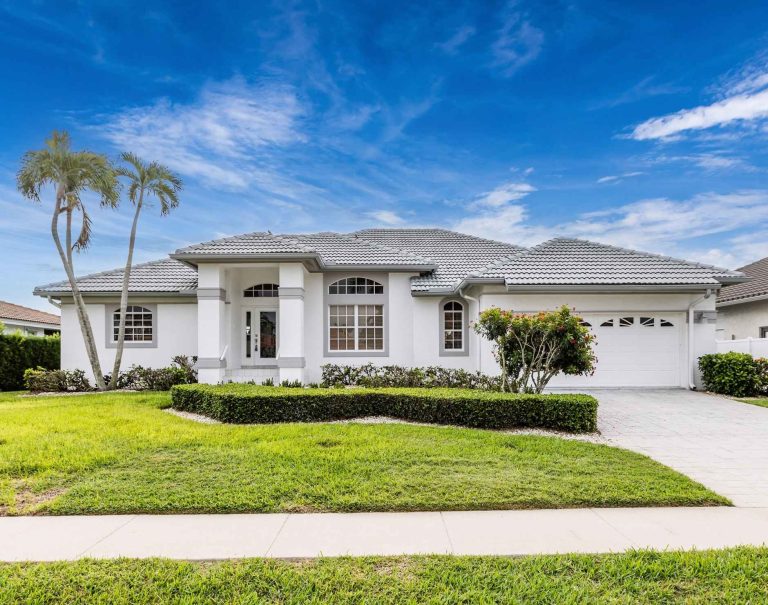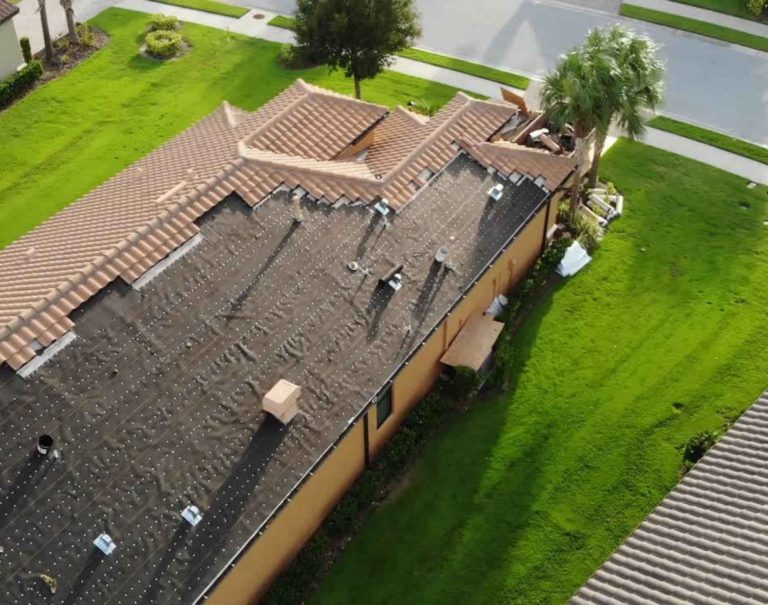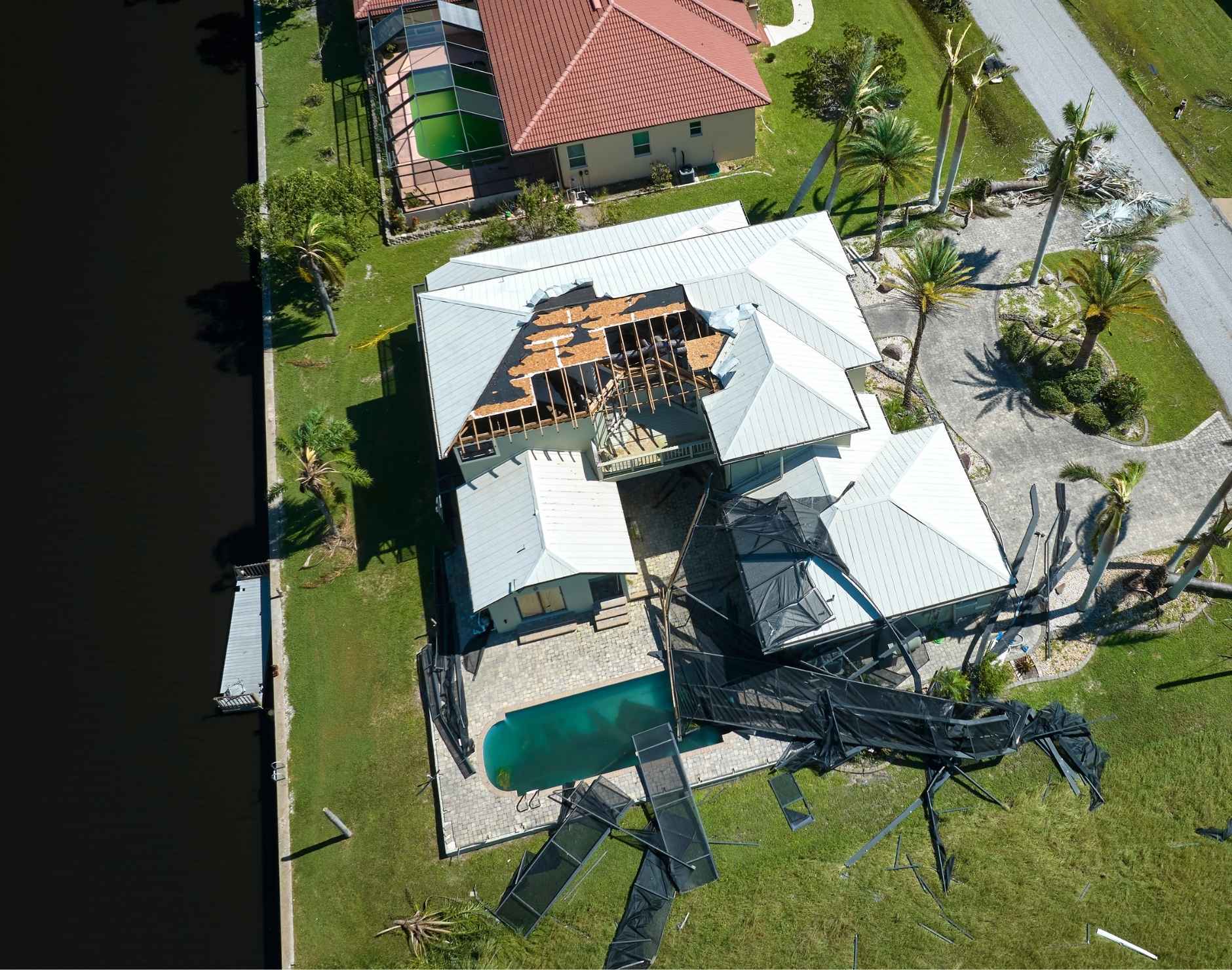
Florida homeowners insurance policies carry a separate hurricane deductible that operates entirely differently from the standard all-peril deductible most homeowners are familiar with. The hurricane deductible is expressed as a percentage of your home's insured value — not a flat dollar amount — and on a typical Palm Beach County home it can be $8,000 to $20,000 or more before your insurer pays a single dollar. Understanding exactly how this deductible works, when it applies, and how to calculate your out-of-pocket exposure is one of the most important financial exercises a PBC homeowner can do before June 1.
How the Percentage Hurricane Deductible Works
Standard homeowners insurance deductibles in Florida are fixed dollar amounts — $1,000, $2,500, $5,000. The hurricane deductible is different. It is calculated as a percentage of your Coverage A dwelling limit — the amount your home is insured for, not its market value. Common hurricane deductible percentages are 2%, 5%, and 10%.
On a home insured for $400,000, the math is straightforward:
- 2% hurricane deductible = $8,000 out of pocket before insurance pays
- 5% hurricane deductible = $20,000 out of pocket before insurance pays
- 10% hurricane deductible = $40,000 out of pocket before insurance pays
Palm Beach County homes have an average insured value that has risen significantly with construction cost inflation. A home that was insured for $300,000 in 2018 may now require $450,000 in coverage to meet replacement cost standards — which raises the hurricane deductible dollar amount proportionally even if the percentage did not change.
When the Hurricane Deductible Applies — and When It Does Not
The hurricane deductible applies specifically to damage caused by a named hurricane as defined in Florida Statute 627.4025. The triggering condition is that the National Hurricane Center has issued a hurricane watch or warning for any part of Florida. Damage from a tropical storm that was not named, from a tropical depression, or from a severe thunderstorm system that never achieved named storm status is typically subject to your standard all-peril deductible — not the higher hurricane deductible.
This distinction matters significantly for roof claims. Storm damage roofing contractors in Palm Beach County document wind speed and event classification as part of the claim file for exactly this reason. After a borderline storm event — one that brought 70 mph gusts but was not classified as a named hurricane at landfall — there is frequently a dispute between homeowners and carriers over which deductible applies. The carrier will argue the storm qualified as a hurricane; the homeowner will argue it did not. Florida law and case precedent on this question is specific: the triggering event is the NHC watch or warning, not the actual wind speed at your property.
The Hurricane Deductible and Citizens Insurance
Citizens Property Insurance Corporation policies carry hurricane deductibles that follow the same percentage structure as private market policies. Citizens offers 2%, 5%, and 10% hurricane deductible options. Citizens policyholders who selected the lowest available hurricane deductible at a time when their insured value was lower may now have a significantly higher dollar exposure than they realize, simply because reconstruction costs — and therefore insured values — have increased.
Citizens also applies the hurricane deductible on a per-occurrence basis. Each named storm that causes damage to your property triggers a separate deductible. In an active hurricane season where two storms affect Palm Beach County, you pay the hurricane deductible twice — once per qualifying event.
How to Reduce Your Hurricane Deductible Exposure
Florida law requires that insurers offer a fixed-dollar deductible option as an alternative to the percentage hurricane deductible, but carriers are not required to offer it at competitive pricing. In most cases, the fixed-dollar hurricane deductible option carries a significantly higher premium. For many PBC homeowners, the percentage deductible is the only financially viable option — which means understanding the exposure and preparing for it is more practical than trying to eliminate it.
Wind mitigation credits are the most effective way to reduce your hurricane deductible exposure indirectly. A wind mitigation inspection that documents roof-to-wall connections, roof deck attachment, secondary water barrier, and opening protection can reduce your total homeowners insurance premium by 20–45%. The premium savings over time can offset a significant portion of your potential deductible liability.
A roof replacement that brings your home to current Florida Building Code standards — including proper secondary water barrier installation per FBC Section 1507.2.8 — qualifies for the maximum wind mitigation credits. If your roof is approaching end of life anyway, replacing it before the season locks in those credits for the duration of the new roof's life.
Preparing Financially for the Hurricane Deductible
The most practical preparation is knowing your exact deductible amount before a storm. Pull your declarations page, locate your Coverage A dwelling limit, and multiply by your hurricane deductible percentage. That number is your minimum out-of-pocket exposure on a hurricane claim. Whether the payout above that deductible is depreciated or full-value depends on your settlement basis — see ACV vs. RCV on Florida roof claims. Some financial planners recommend that Florida homeowners maintain a separate emergency reserve specifically sized to their hurricane deductible — the logic being that this is a known, calculable liability that can be planned for.
If a storm has already occurred and you are facing a deductible you cannot immediately cover, there are licensed financing options. Some roofing contractors offer payment plans; some lenders offer unsecured home improvement loans specifically for post-storm repair. Start with licensed roofers in Jupiter or your own city page. Do not allow a financing constraint to push you toward an unlicensed contractor — the risk of defective work, permit problems, and insurance complications far exceeds any short-term cost savings.