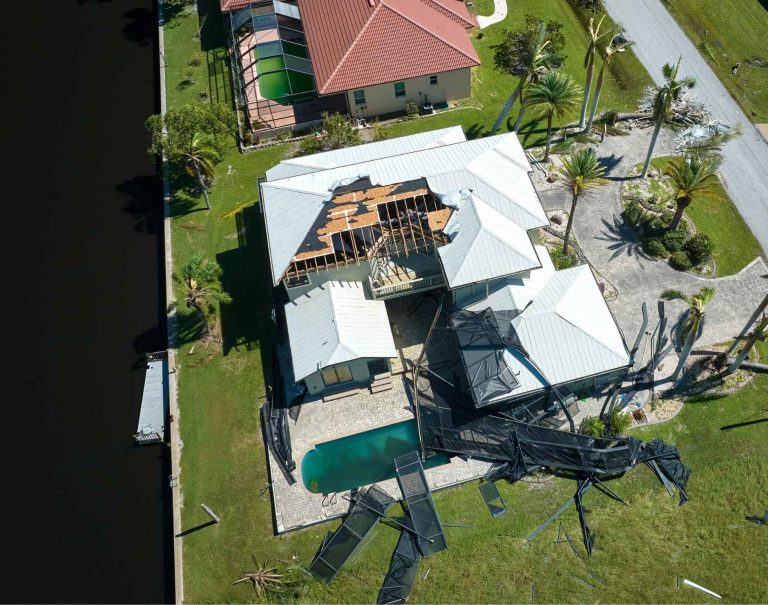
Insurance adjusters using Xactimate pricing software frequently underestimate roof replacement costs in Palm Beach County. The gap between an initial adjuster estimate and the actual cost of a Florida Building Code-compliant roof replacement can range from $2,000 to $15,000 or more.
Driven by missed line items, outdated material pricing, omitted code upgrade requirements, and labor cost differentials specific to South Florida's market. Supplementing a roof insurance claim is not a dispute — it is the process of ensuring your carrier pays what your policy actually covers. Storm damage roofing contractors in Palm Beach County build these supplement packages as a routine part of insurance-scope work.
What Xactimate Misses on Florida Roof Claims
Xactimate is the estimating software used by most insurance adjusters and carriers to calculate claim settlements. It is a powerful tool, but its accuracy depends entirely on the data entered and the line items selected. On Florida roof claims specifically, adjusters frequently miss or undervalue the following:
Secondary water barrier installation - Florida Building Code Section 1507.2.8 requires a self-adhering secondary water barrier on all new and replacement roofs in Florida. When a roof replacement is triggered by storm damage, the FBC requires the entire new roof to include a secondary water barrier — regardless of whether the original roof had one. This is a code upgrade cost that many adjusters fail to include in their Xactimate estimate. Secondary water barrier material and installation typically adds $1,500 to $4,000 to a PBC roof replacement depending on size.
Permit fees and inspection costs. Palm Beach County building permits for roof replacement have a cost. Inspections have a cost. These are legitimate line items under Florida Building Code compliance requirements and they belong in the claim estimate. Adjusters who are unfamiliar with PBC permit fee schedules frequently omit them or undervalue them.
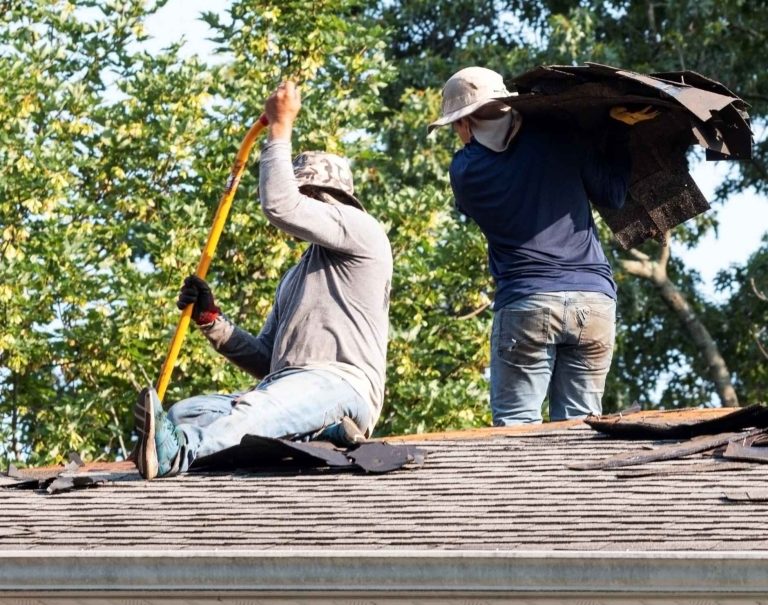
Decking replacement. Damaged or deteriorated roof decking discovered during tear-off cannot be legally covered with new roofing materials. Florida Building Code requires damaged decking to be replaced. The full roof decking requirements under the FBC determine what the inspector will demand once the roof is open. Initial adjuster estimates often do not include decking replacement because the extent of decking damage is not visible without tear-off. This is legitimately a supplemental claim item once the roof is opened.
Drip edge. FBC Section 1507.2.9 requires drip edge installation on all new and replacement roofs. If the original roof did not have drip edge, replacement triggers a code upgrade requirement. Drip edge is frequently omitted from Xactimate estimates on older homes.
Ordinance and Law Coverage - Your Most Important Supplement Tool
Florida homeowners insurance policies typically include an "Ordinance and Law" or "Code Upgrade" coverage component that pays for the increased cost of construction required to bring a structure into compliance with current building codes. For roof claims, this coverage pays for the code upgrade costs that are not covered under the standard dwelling coverage — including secondary water barrier, drip edge, decking replacement triggered by code, and any other FBC compliance requirements triggered by the replacement.
Ordinance and Law coverage has a limit — typically expressed as a percentage of Coverage A (10%, 25%, or 50%). Know your Ordinance and Law limit before filing a supplement. If your limit is 10% of a $400,000 Coverage A, you have $40,000 in Ordinance and Law coverage available — more than enough for virtually all residential roof code upgrade costs in PBC.
How to File a Supplement
A supplement is not a new claim — it is an amendment to an existing claim filed through the standard Florida roof claim process. To file a supplement, you submit documentation to your carrier showing that the initial estimate was incomplete or incorrect. The documentation package typically includes: a detailed contractor estimate covering all items missing from the adjuster's Xactimate, photographs documenting the specific conditions that support each supplemental item, references to the specific Florida Building Code sections that require the code upgrade items, and a written explanation of why each supplemental item was not captured in the initial estimate. Licensed roofers in Delray Beach and across all 39 PBC cities produce line-item estimates in this format.
Most carriers have a specific process for submitting supplements. Citizens Insurance Corporation has a supplement request form and a defined timeline for reviewing supplements. Private carriers vary — some have online portals, some require written submissions to a specific claims email address. Get the correct supplement submission process from your adjuster before you start building the documentation package.
Public Adjusters and Their Role in Supplementing
A licensed public adjuster can manage the supplement process on your behalf. Public adjusters in Florida are licensed by the Department of Financial Services and are legally authorized to represent policyholders in claim negotiations. They build the supplement package, submit it, negotiate with the carrier's adjuster, and in many cases produce materially higher settlements than homeowners achieve on their own.
Public adjusters work on contingency — typically 10–20% of the settlement amount, capped at a percentage defined by Florida law. Florida Statute 626.854 governs public adjuster contracts and fees. The cap was reduced under 2023 reform legislation. If a public adjuster's fee is 15% and they produce a $12,000 supplement on a claim, their fee is $1,800 — you net $10,200 you would not otherwise have recovered.
One critical note: do not sign a public adjuster agreement that assigns any portion of the claim payment directly to the adjuster before you receive and review any settlement. A well-structured public adjuster agreement gives the adjuster authority to negotiate on your behalf without transferring your claim rights.