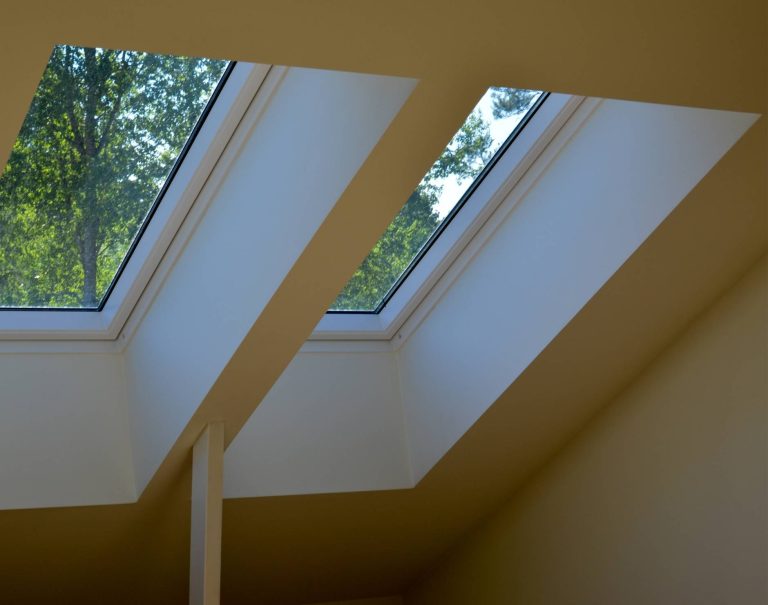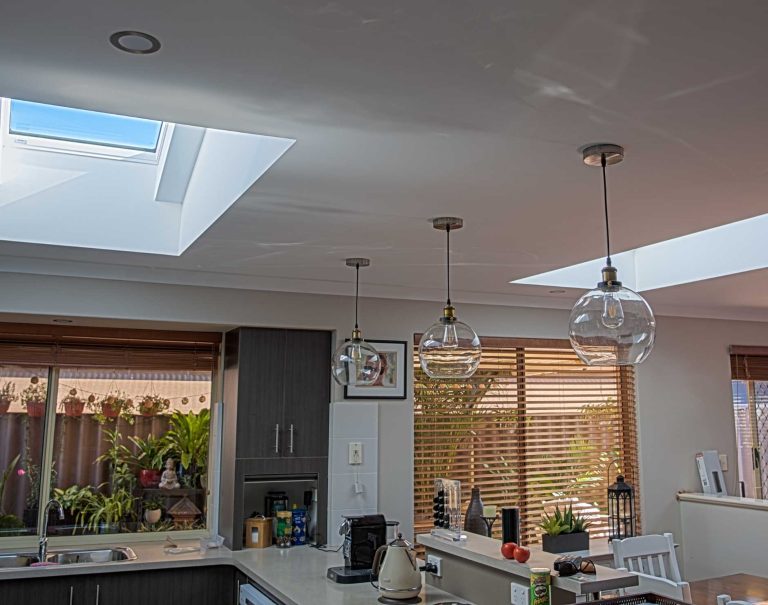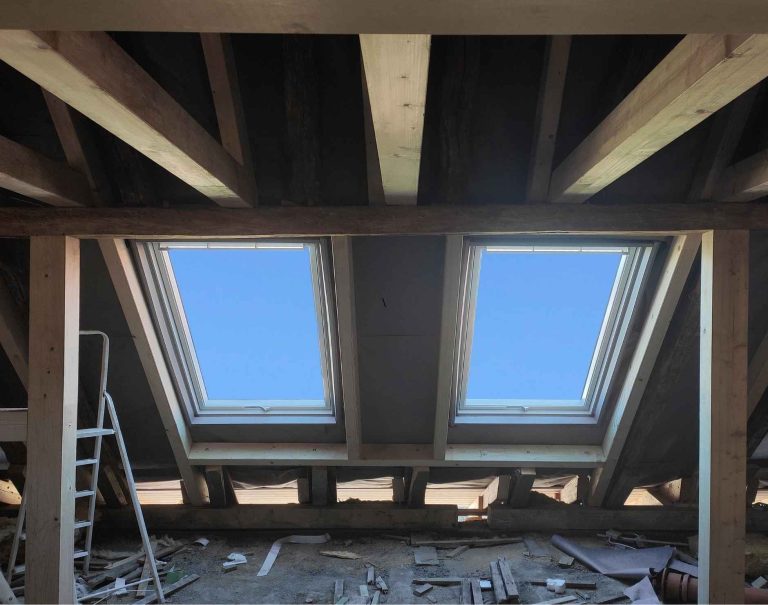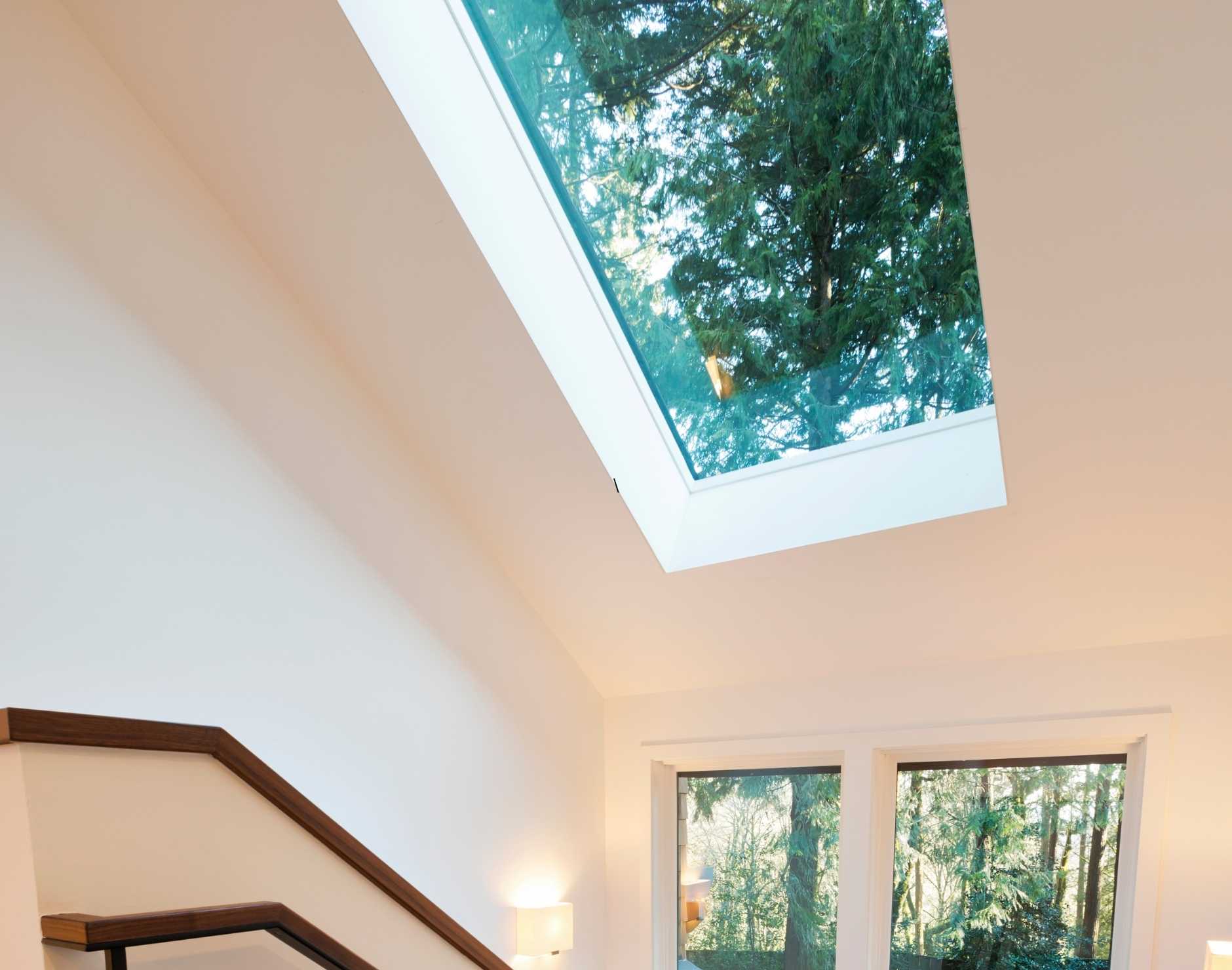
Skylights and solar tubes both bring natural daylight into interior spaces without windows — but they do it differently, they cost differently, and they are appropriate for different applications in Palm Beach County homes. A skylight is a glazed roof opening that provides direct daylighting, views of the sky, and optional ventilation for the space below. A solar tube — also called a tubular daylighting device or sun tunnel — is a small-diameter reflective tube that captures sunlight at a roof-mounted dome and delivers it to a ceiling diffuser below through a highly reflective tube system. Understanding which delivers better performance for your specific application — and what PBC's HVHZ requirements mean for each product type — is what this guide covers.
What skylights deliver and when they are the right choice
Skylights provide the broadest daylighting experience of any roof-penetrating daylight system — direct sunlight, diffused cloud light, views of the sky, and in venting configurations, natural ventilation. A well-positioned skylight on a PBC home transforms the quality of natural light in a kitchen, living room, master bath, or great room in a way that a solar tube cannot replicate. The direct glazed connection between the interior space and the sky above produces morning light quality, afternoon light direction, and the dynamic quality of passing cloud cover that diffused tube lighting does not deliver.
Skylights are the correct choice when the application requires: daylighting a large space (above approximately 100 square feet of floor area); providing view of the sky as part of the daylighting benefit; ventilating the space through an operable unit; or delivering the architectural presence that a significant glazed opening provides in a high-ceiling or open-plan interior. For PBC's mid-century modern residential market — where flat and low-slope roofs are common and interior volume is generous — skylights are the historically appropriate daylighting solution.
The tradeoffs of skylights relative to solar tubes in PBC's environment are real. A skylight opening is a larger roof penetration (typically 14×14 inches to 48×48 inches) that requires more complex flashing, a larger curb or deck-mount installation, and a more demanding HVHZ impact-rating specification. Larger skylights also introduce more solar heat gain in South Florida's year-round sun environment — a meaningful cooling load contribution on west-facing applications during afternoon peak sun hours. Low-e coating and heat-rejecting glazing specifications mitigate but do not eliminate this heat gain on PBC skylights receiving direct afternoon sun.
What solar tubes deliver and when they are the right choice
Solar tubes use a small roof-mounted acrylic dome (typically 10–14 inches in diameter) to capture sunlight and direct it down a highly reflective aluminum tube to a ceiling diffuser in the interior space below. The reflective tube system — with interior reflectivity of 98–99.7% depending on product tier — delivers daylight to interior spaces that are not directly below the roof surface, allowing the tube to run horizontally or at angles through attic space to reach the diffuser location.
Solar tubes are the correct choice when the application requires: daylighting a small space (a hallway, bathroom, closet, laundry room, or interior room below 80–100 square feet); delivering diffused, glare-free light quality without direct sun exposure; minimizing roof penetration size and the associated flashing complexity; or providing daylighting to an interior space that is not directly accessible from the roof surface above due to attic geometry.
In PBC's HVHZ, solar tube roof domes must carry a Florida Product Approval confirming impact resistance for the applicable wind speed zone — the same requirement that applies to skylight glazing. The smaller dome diameter of a solar tube produces a less complex flashing installation than a full skylight, but the permit requirement applies equally — any solar tube installation in PBC requires a permit and inspection.
Solar tubes do not provide views, ventilation, or the dynamic light quality of direct glazed skylights. The diffused light delivered through the tube system is visually similar to a well-lit fluorescent fixture at low sun angles and to direct natural light at high sun angles — a pleasant, even illumination that is appropriate for task-oriented spaces but does not provide the architectural daylighting quality of a full skylight in a living space.
For skylight and solar tube installation services in Palm Beach County with product specification guidance for PBC's HVHZ and roof type requirements, a licensed contractor assesses your specific application before recommending product type and size. Verified roofers in Delray Beach and across PBC install both product types.
Heat gain — the critical South Florida performance variable
Solar heat gain through roof daylighting systems is a more significant performance variable in PBC than in any other major Florida market. South Florida's year-round sun and high solar angle during the long summer period mean that a skylight or solar tube on a PBC home is receiving direct solar radiation for 8–10 hours per day, 365 days per year — compared to 4–6 hours per day in northern markets with seasonal sun angle variation.
Skylights with low-e coated glazing reduce solar heat gain significantly — a low-e skylight admits visible light while reflecting a portion of the infrared radiation that produces heat gain. Solar heat gain coefficients (SHGC) of 0.20–0.35 are achievable with current low-e glazing products and represent a meaningful improvement over standard clear glazing (SHGC 0.55–0.70) in PBC's direct sun environment. For west-facing skylights receiving direct afternoon sun during PBC's hottest months, low-e glazing is not optional — it is the specification that prevents the skylight from becoming a net negative on the building's cooling energy balance.
Solar tubes produce lower heat gain than equivalent-area skylights because the tube system diffuses and redirects light rather than transmitting it directly. The dome's optical properties and the tube's internal geometry reduce the SHGC of the delivered light relative to a direct glazed skylight of equivalent aperture. For PBC applications where heat gain is the primary concern — west-facing roof locations, homes with marginal HVAC capacity — solar tubes are the lower-heat-gain daylighting solution. Qualifying low-SHGC units also earn the federal 25C energy credit.
Cost comparison — skylight vs solar tube in PBC
The installed cost difference between skylights and solar tubes in PBC reflects the difference in product complexity, roof penetration size, and flashing requirements. A premium solar tube installation — Velux Sun Tunnel, Solatube, or equivalent — with 14-inch diameter dome, flexible or rigid tube, and ceiling diffuser runs $750–$1,800 installed including permit on a standard PBC home. The installation typically takes 2–4 hours and produces a roof penetration of 14 inches that can be flashed with a standard flashing kit.
A curb-mounted skylight installation on a PBC flat or low-slope roof — 24×24 inch unit, impact-rated glazing, curb construction, and full membrane flashing integration — runs $1,800–$4,500 installed including permit depending on the unit size, glazing specification, and roof type complexity. A larger 48×48 inch skylight with venting mechanism and low-e glazing runs $3,500–$7,000 installed. The cost premium of skylights over solar tubes reflects the larger product, more complex installation, and more demanding flashing requirements — not a proportional difference in daylighting performance for small spaces.
For small spaces where either product would deliver adequate daylighting, the solar tube's lower installed cost and simpler installation make it the more economical choice. For large spaces where a skylight's greater aperture and direct glazed connection are required for adequate daylighting quality, the skylight's higher cost is justified by performance that a solar tube cannot replicate. For a complete breakdown of skylight installation costs in Palm Beach County for 2026 — including unit size, glazing specification, and roof type cost variables — see our dedicated skylight cost guide.
- Choose skylight for large spaces (above 100 sq ft), view requirement, or ventilation need.** Solar tubes deliver adequate daylighting for small spaces but cannot replicate the architectural quality of direct glazed skylights in large open-plan interiors.
- Choose solar tube for hallways, bathrooms, closets, and small interior rooms.** A 14-inch solar tube delivers excellent diffused daylight to spaces up to 80–100 square feet with a simpler installation and lower cost than any skylight option.
- For west-facing roof locations, specify low-e glazing on any skylight.** Direct afternoon sun through standard clear-glazed skylights imposes significant cooling load in PBC's climate. Low-e glazing (SHGC 0.20–0.35) is the specification that prevents the skylight from becoming a net cooling energy negative.
- Confirm Florida Product Approval for impact resistance on both product types.** HVHZ impact rating is required for skylight glazing and solar tube domes in PBC. Confirm before ordering.
- Require a permit for both skylight and solar tube installations.** The permit requirement applies to all roof penetrations in PBC — including small-diameter solar tube dome installations.
- For solar tubes requiring a long or angled tube run, confirm the reflectivity specification.** Premium rigid tube systems with 99.7% reflectivity deliver significantly more light over long runs than standard flexible tube systems with lower reflectivity. Measure the actual tube length required before specifying.
- After installation, inspect the dome and flashing annually.** Both product types are roof penetrations subject to the same flashing failure modes as any other penetration in PBC's thermal cycling and rainfall environment.