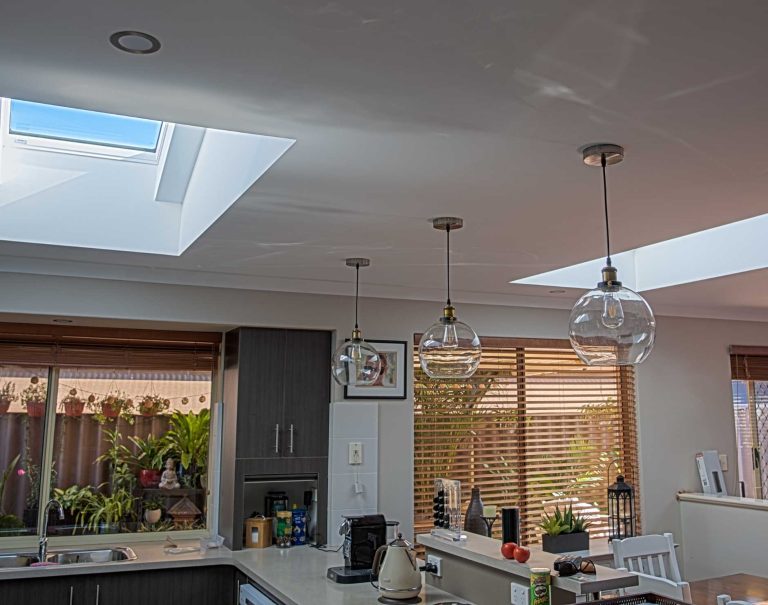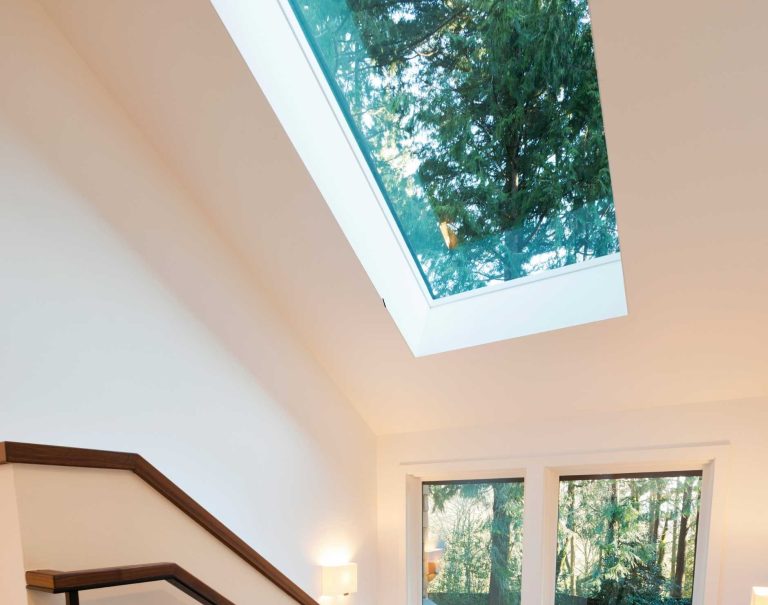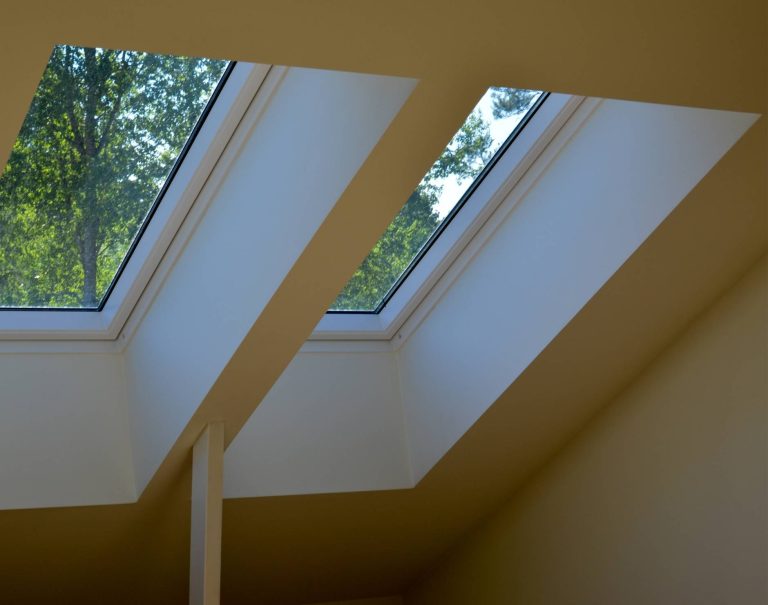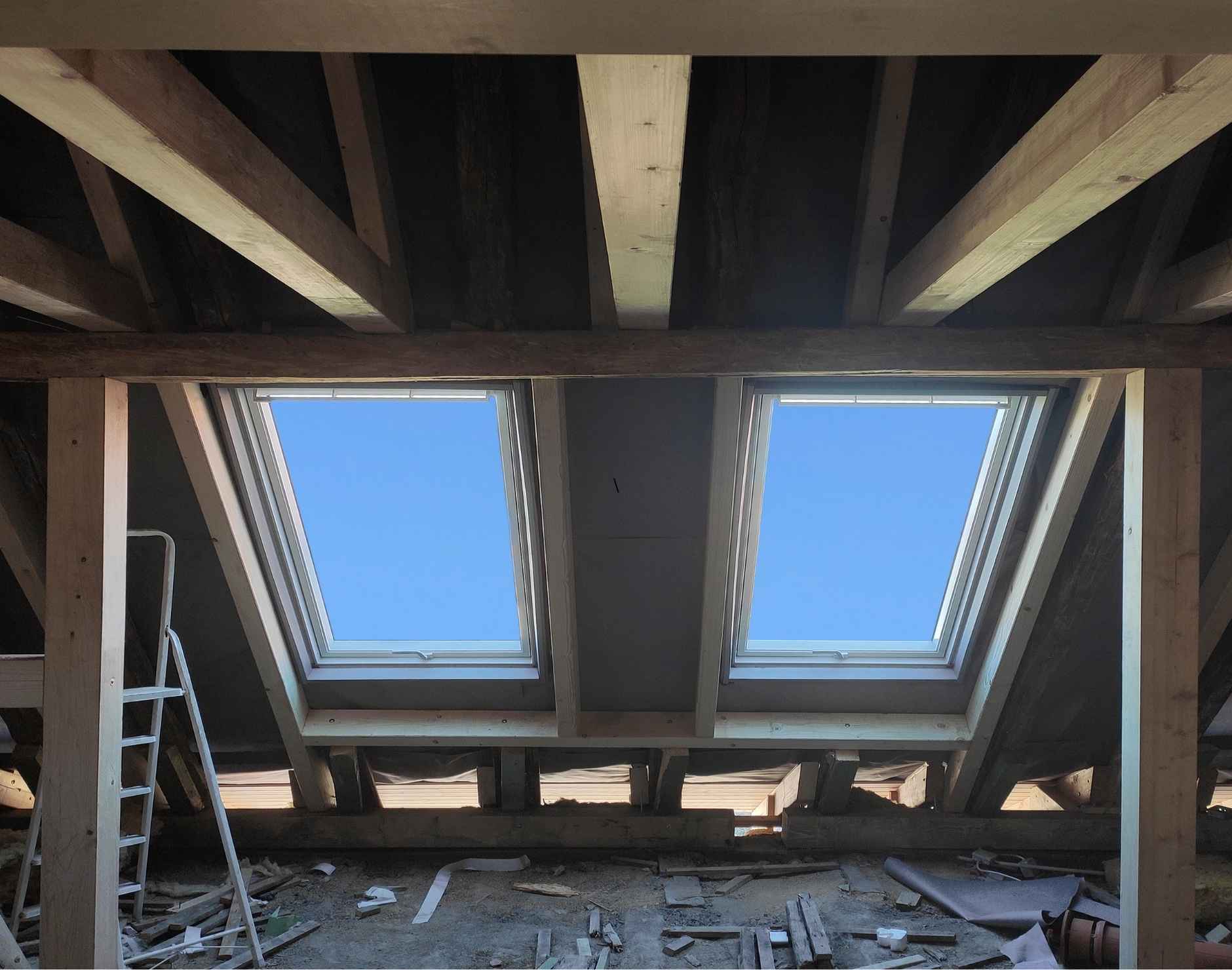
A leaking skylight in Palm Beach County is almost never a defective skylight — it is almost always a failed installation or maintenance issue at one of four specific locations. Understanding which failure mode is producing the leak determines whether the correct scope is a flashing repair, a sealant replacement, a glazing unit replacement, or a full skylight removal and reinstallation. Applying caulk to a leaking skylight without identifying the failure mode is the most common homeowner response and the least effective one — sealant applied over an active flashing failure delays the leak by one wet season while allowing the underlying failure to progress. This guide identifies PBC's four skylight leak failure modes and what the correct correction scope is for each.
Failure mode 1 — flashing separation: the most common PBC skylight leak
Flashing failure accounts for the majority of skylight leaks in Palm Beach County — not glazing failure, not sealant deterioration, and not product defects. The flashing system that integrates the skylight curb or deck-mount base with the surrounding roof membrane or shingle course is the most thermally stressed component in any skylight installation. In PBC's climate, the metal flashing components experience daily temperature cycles of 80–110°F between overnight lows and midday surface temperatures — cycles that expand and contract every joint, lap, and sealant bead in the flashing assembly hundreds of times per year.
On tile roofs — the most common residential roof type in PBC — skylight step flashing must integrate with the tile underlayment and be counter-flashed at the curb face. The step flashing pieces at the sides of the curb interleave with the tile courses above them and overlap the underlayment below. When this integration is correct and watertight, the assembly directs all water away from the curb face. When the step flashing has separated from the curb face, corroded through galvanic contact with the tile mortar, or was never properly integrated with the underlayment, water enters at the side of the curb and travels down the rafter to the interior ceiling — typically appearing as a water stain several feet from the skylight location.
On flat TPO or EPDM roofs, curb-mounted skylight flashing uses a pre-fabricated membrane collar that heat-welds or adheres to the surrounding membrane and laps onto the curb face. When this weld or adhesive bond separates — from thermal cycling fatigue or installation deficiency — water enters at the curb-membrane interface. This failure typically produces a water stain directly at the skylight on a flat roof, rather than the offset stain pattern seen on pitched roofs, because the water infiltration path is more direct.
The correction for flashing separation is not caulk application over the visible gap. The failed flashing component must be removed, the underlying substrate inspected and repaired if damaged, and new correctly specified flashing installed and integrated with the surrounding roof system. On tile roofs, this requires removing the tile courses adjacent to the skylight, replacing the step flashing, re-integrating with the underlayment, and reinstalling the tile. Attempting to seal a step flashing failure with surface caulk produces a cosmetic repair that fails within 1–2 wet seasons as the thermal cycling that caused the original separation continues to work on the caulked joint.
Failure mode 2 — condensation infiltration: the misdiagnosed leak
Condensation infiltration is the second most common skylight leak source in PBC and the most frequently misdiagnosed. In South Florida's humid climate, the underside of a skylight glazing unit — particularly a single-pane or poorly insulated double-pane unit — is cooler than the surrounding interior air during air-conditioned conditions. When warm, humid indoor air contacts the cool glazing surface, moisture condenses on the glazing frame and runs down the interior skylight well to the ceiling plane, producing a water stain at the ceiling that appears identical to an active flashing leak.
The diagnostic test distinguishes the two: if water appears at the ceiling only during or after rainfall events, the source is active infiltration — flashing or glazing seal failure. If water appears at the ceiling on clear days when the air conditioning is running, or if the interior skylight frame shows persistent surface moisture without any corresponding outdoor precipitation, the source is condensation.
The correction for condensation infiltration is improving the thermal performance of the skylight glazing to reduce the temperature differential between the glazing surface and the interior air. Replacing a single-pane unit with a double-pane low-e unit significantly reduces the condensation rate. Improving interior air circulation at the skylight well — preventing stagnant humid air from pooling at the glazing surface — reduces condensation independently of glazing specification. Applying anti-condensation insulation to the interior skylight well framing addresses the well surfaces that are also cooler than interior air in air-conditioned PBC homes.
Failure mode 3 — glazing seal failure: the slow progressive leak
Double-pane skylight glazing units use an edge seal to maintain the insulating air or gas space between the two glass layers. In PBC's UV environment and thermal cycling conditions, this edge seal degrades progressively — typically within 15–20 years on standard double-pane units. The visible indicator of edge seal failure is fogging or hazing between the glazing layers that cannot be cleaned from either surface — condensation is forming inside the sealed unit because the edge seal has failed and allowed moisture to enter the insulating space.
Edge seal failure does not directly produce water infiltration to the interior — the failed seal allows moisture between the glazing layers but does not create a path for water to enter the building. However, a glazing unit with a failed edge seal has significantly reduced insulating value, which worsens the condensation infiltration problem described above. The correct scope for failed glazing seals is replacement of the glazing unit — not the entire skylight frame, unless the frame itself has deteriorated to the point where it cannot accept a new glazing unit.
For skylight repair and replacement services in Palm Beach County including leak diagnosis, flashing repair, and glazing unit replacement, a licensed contractor identifies the specific failure mode before specifying the correction scope — the correct repair depends entirely on which of the four failure modes is producing the leak. Verified roofers in Jupiter and across PBC diagnose before quoting.
Failure mode 4 — curb rot and structural deterioration
Wooden skylight curbs — the raised frame on which the skylight unit sits — are subject to rot in PBC's humid environment when the curb's moisture protection has failed. A curb that has been exposed to water infiltration at the flashing interface for multiple wet seasons absorbs moisture, develops fungal growth, and eventually loses structural integrity at the fastener locations that attach the skylight unit to the curb. A structurally deteriorated curb produces racking of the skylight frame that opens gaps at the glazing-to-frame seals and at the curb-to-flashing interface simultaneously — producing leaks at multiple points that appear unrelated but share a common cause.
The correct scope for curb rot is curb replacement — not sealant application over the visible gaps in a deteriorated curb. Curb replacement requires removing the skylight unit, demolishing and replacing the curb framing, and reinstalling the skylight with new flashing integration. This is a full skylight reinstallation in scope — and if the skylight unit itself is aged or non-impact-rated, replacement of both curb and unit simultaneously is the appropriate and economical scope.
How to diagnose which failure mode is active
Diagnosing a skylight leak requires distinguishing between the four failure modes through a combination of timing observation and physical inspection. Timing: water appearing only during or after rainfall — active infiltration (flashing or glazing seal). Water appearing on clear days during air conditioning operation — condensation infiltration. Water appearing after a wind event without rain — flashing separation at a location where wind pressure is driving water up past the flashing.
Physical inspection from inside: look at the interior skylight well framing and curb face for water staining patterns. Staining that runs down one side of the well indicates side flashing failure at that face. Staining at the upslope face indicates head flashing failure. Staining distributed around the full perimeter indicates either glazing seal failure or curb deterioration. Staining at the ceiling plane offset from the skylight location — several feet away — indicates that water is traveling along a rafter or roof framing member before reaching the ceiling, typically from step flashing failure on a pitched roof. Tracing offset stains back to their true source is the subject of how to find a roof leak.
Physical inspection from outside: examine the flashing at all four faces of the skylight for visible separation, corrosion, or sealant deterioration at the curb-to-flashing interface. On tile roofs, look for tiles adjacent to the skylight that have been disturbed or re-mortered as evidence of prior repair attempts. Probe the curb face at the base with a screwdriver — soft penetration indicates curb rot at that location.
For a complete explanation of how curb-mounted vs deck-mounted skylight installation affects leak risk on PBC's different roof types — and why the mounting type selection is the first leak prevention decision — see our skylight mounting type guide.
- Observe the timing of water appearance before calling a contractor.** Water during/after rain = active infiltration. Water on clear days during AC operation = condensation. Water after wind without rain = wind-driven flashing failure. Timing narrows the failure mode before inspection begins.
- Inspect the interior well framing for staining patterns.** Side staining = side flashing failure. Upslope staining = head flashing failure. Perimeter staining = glazing seal or curb deterioration. Offset ceiling staining = step flashing failure on pitched roof.
- Check for fogging between glazing layers.** Haze or fogging that cannot be cleaned from either surface = failed edge seal. This does not directly produce interior water entry but indicates the glazing unit needs replacement and worsens condensation infiltration.
- Probe the curb face with a screwdriver at the base.** Soft penetration = curb rot. If the curb has rotted, sealant application is not a correction — the curb requires replacement.
- Do not apply caulk over an undiagnosed leak.** Surface sealant masks the failure mode and delays the repair scope that would have been smaller if addressed correctly the first time.
- If flashing repair requires tile removal, confirm the contractor has tile roofing experience.** Incorrect tile removal and reinstallation damages adjacent tiles and compromises the underlayment below — adding scope that a contractor without tile experience may not manage correctly.
- For any skylight over 15 years old with an active leak, assess whether replacement is more cost-effective than repair.** A 15-year-old non-impact-rated skylight requiring flashing repair may be more economically replaced with a compliant impact-rated unit than repaired — eliminating the HVHZ compliance gap and resetting the service life simultaneously.