Roof warranties in Florida operate differently from warranties in most other states — because Florida's climate, Florida Building Code requirements, and Citizens Insurance all intersect with warranty terms in ways that PBC homeowners need to understand before signing a replacement contract. A warranty that sounds comprehensive may contain exclusions that leave common Florida roof failures uncovered. Understanding what your warranty actually covers, and what voids it, is as important as understanding the warranty's stated term.
The Two Types of Roof Warranties
Every roof replacement involves two distinct warranty types that cover different failure modes.
Manufacturer's material warranty covers defects in the roofing material itself — tile that cracks due to a manufacturing defect, metal panels that corrode prematurely due to a coating failure, shingles that lose granules at an abnormal rate due to a production defect. Manufacturer warranties do not cover installation errors, wind damage, or damage from any external cause. Concrete tile manufacturers typically offer 50-year limited warranties. Metal roofing manufacturers offer 40-year material warranties on premium products. Architectural shingle manufacturers offer 30-year or lifetime warranties on premium products. The key word in all of these is "limited" — the warranty provides a prorated value replacement of the defective material, declining in value each year.
Contractor's workmanship warranty covers the installation - specifically, water intrusion or failures that result from improper installation rather than material defect. Workmanship warranties typically run 1-10 years depending on the contractor. Premium contractors offer 5-10 year workmanship warranties on full replacements.
Florida-Specific Warranty Issues
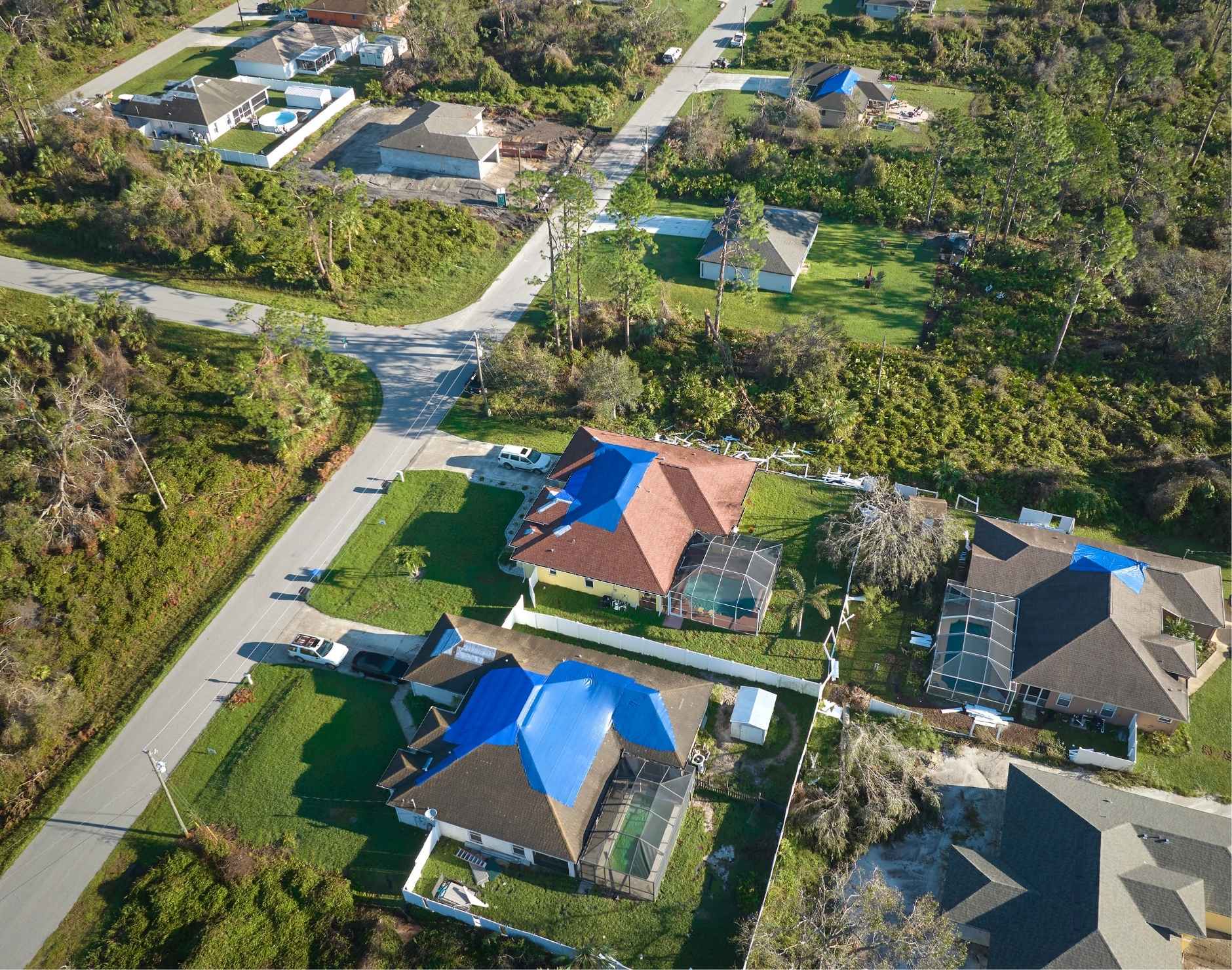
Hurricane damage. Manufacturer material warranties universally exclude wind damage above a defined threshold — typically 110-130 mph for premium products. In PBC, a Category 3 or stronger hurricane can produce winds that exceed the warranty's wind exclusion threshold. Your homeowners insurance — not the manufacturer warranty — covers hurricane wind damage.
Algae and mold growth. South Florida's humidity produces algae streaking on shingle roofs. Standard shingle warranties typically exclude algae staining, though premium "AR" (algae-resistant) shingles may include a limited algae warranty. Understand what your shingle warranty covers on this specific failure mode before selecting a product.
What Voids a Roof Warranty in Florida
The most common warranty-voiding actions in Florida roof replacements:
Unauthorized repairs. Most manufacturer warranties require that any repairs be performed by a certified installer or with manufacturer-approved materials. An unlicensed contractor making post-storm repairs with non-approved materials can void the manufacturer warranty on the entire roof system.
Walking on the roof. Clay and concrete tile warranties typically exclude damage from foot traffic. Walking on tile roofs for HVAC service, solar installation, or satellite dish work without proper tile walking procedures can crack tile and void the warranty on the damaged sections.
Installing solar panels without manufacturer authorization. Solar panel installation requires penetrating the roof deck. If penetrations are not made according to the manufacturer's installation specifications, the warranty may be voided in the affected area.
Failure to maintain gutters and drainage. Some warranties include gutter maintenance requirements - must be kept clear, drains must be functional. A manufacturer who can demonstrate that a warranty failure resulted from blocked drainage the homeowner failed to maintain has grounds to deny the warranty claim.
Transferring the Warranty on Sale
For homeowners selling a home with a recently replaced roof, transferring the warranty to the buyer adds demonstrable value. Manufacturer warranties for tile and metal products are typically transferable with registration. Contractor workmanship warranties may or may not be transferable depending on the contractor's terms. Ask your contractor explicitly: is this warranty transferable to a subsequent owner, and what is the transfer process?
- Get both warranties in writing at contract signing — manufacturer product warranty and contractor workmanship warranty
- Confirm the workmanship warranty term — 1 year is minimum, 5-10 years is standard for quality contractors
- Register the manufacturer warranty with the manufacturer immediately after installation — most require registration
- Ask specifically: is this warranty transferable on sale, and what is the transfer process?
- Confirm warranty coverage for algae resistance if selecting shingles — standard shingles may not cover algae staining
- If installing solar after roof replacement, get manufacturer authorization for deck penetrations
- Keep gutters clear and maintain drainage — neglect can void warranty coverage for related failures
- Use only manufacturer-approved materials for any repairs during the warranty period