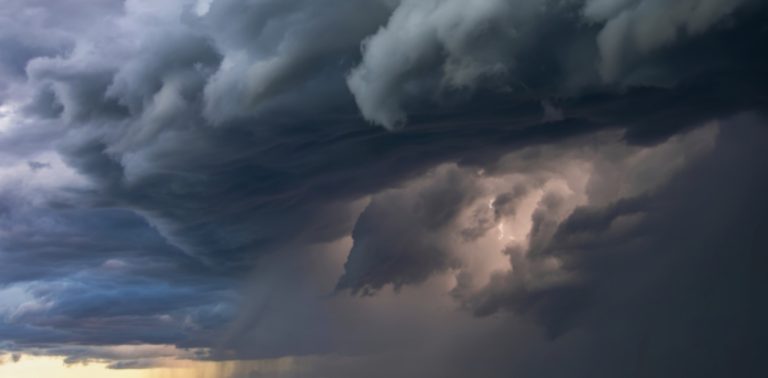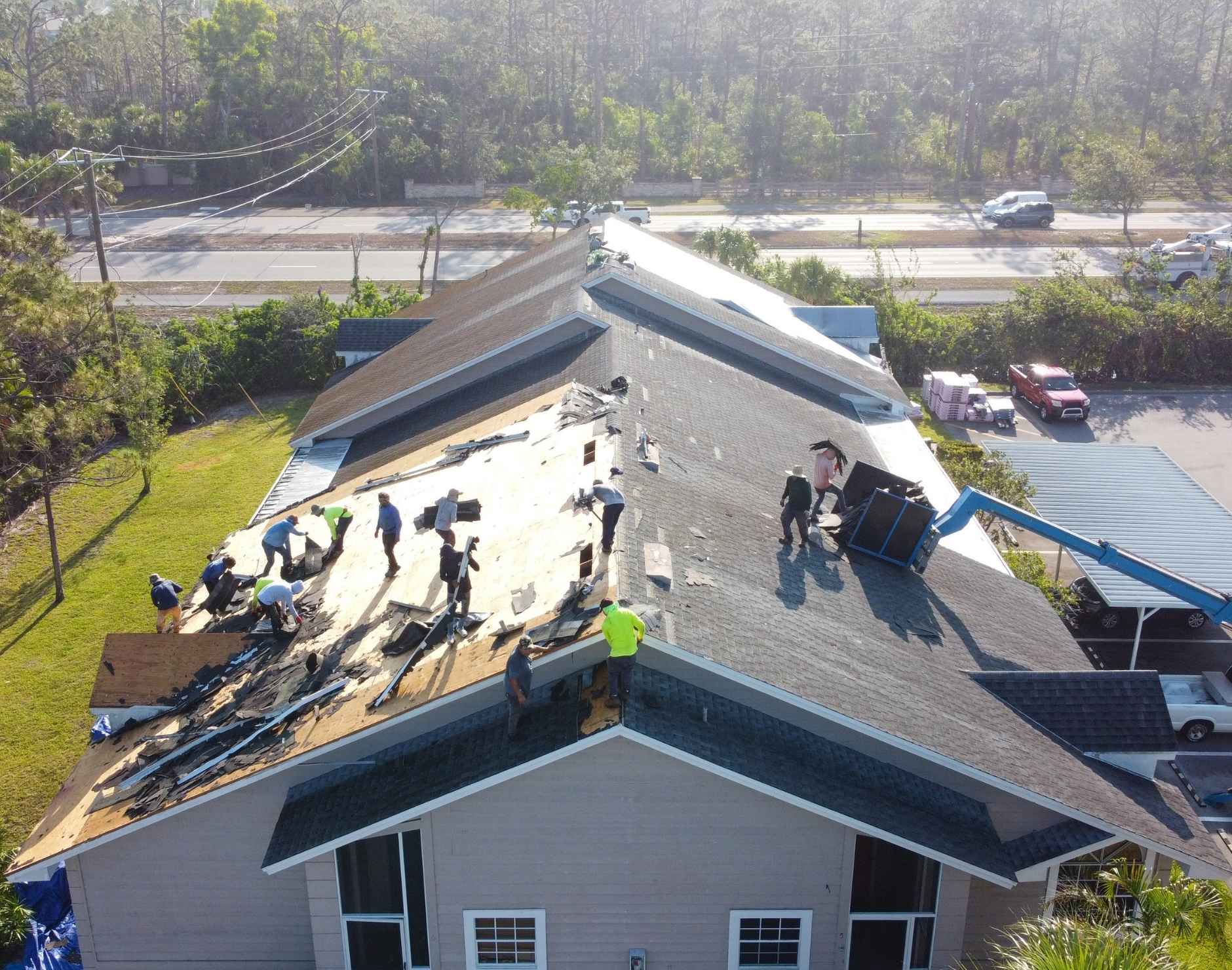
Citizens Insurance Corporation's Four-Point Inspection requirement and Florida Building Code Section 1507's roof condition standards create a specific pre-season inspection window that every Palm Beach County homeowner should plan around. A professional roof inspection completed before June 1 — by a Florida DBPR-licensed CCC contractor — establishes the pre-storm condition baseline that protects against post-storm pre-existing condition claim denials, identifies repair conditions that can be resolved before storm season at standard pricing, and confirms Citizens Insurance compliance before the carrier's annual review cycle.
Why Pre-Season Timing Is Specifically Important
A roof inspection conducted before hurricane season serves a fundamentally different purpose than a routine maintenance inspection conducted at any other time of year. The pre-season inspection produces three distinct outputs that have value specific to the storm season context.
First, the inspection creates a timestamped pre-storm condition record. When a post-hurricane insurance claim is filed and Citizens Insurance Corporation or a private carrier disputes whether observed damage was caused by the storm or was pre-existing, the homeowner who presents a dated professional inspection report showing the roof was in sound condition before the storm has a strong evidentiary defense. The homeowner without a pre-storm inspection report has no baseline — the carrier's adjuster sets the narrative.
Second, the inspection identifies repair conditions that can be resolved at standard pricing before hurricane season. The same roof repair that costs $800 in April costs $1,200–$1,800 in the 30 days after a major storm when contractor demand is at its peak. A failed pipe boot, loose ridge tiles, or deteriorated step flashing that are identified and repaired in April do not become post-storm claim disputes.
Third, for homes approaching Citizens Insurance's 25-year roof age threshold, the pre-season inspection determines whether the roof will pass a Citizens-required Four-Point Inspection. A homeowner who discovers in July — after hurricane season has started and contractors are fully booked — that their roof will not pass the Citizens inspection faces a significantly worse set of options than one who discovered the same condition in April with two months to plan and execute a replacement.
What a Pre-Season Inspection Must Cover
A pre-season inspection in Palm Beach County must physically access the roof - ground-only visual inspections do not satisfy the pre-storm documentation standard. The inspection must cover all seven assessment areas: roof surface condition, underlayment condition at accessible points, flashing integrity at every penetration and intersection, ridge and hip mortar and fastening condition, gutter and drainage system, attic interior for moisture evidence, and all penetrations including HVAC curbs, skylights, and pipe vents. See our hurricane season roof prep checklist for the complete pre-season sequence each assessment area feeds into.
The inspection report must be written, signed by the inspecting CCC contractor, include the contractor's license number, and provide specific condition findings with photographs for each assessment area. A verbal report or single-sentence email does not satisfy the evidentiary standard required for Citizens Insurance claim documentation purposes. Pricing for every inspection type is covered in the roof inspection cost guide for Palm Beach County.
Wind Mitigation Inspection vs Roof Condition Inspection — Two Different Documents
A wind mitigation inspection under Florida OIR-B1-1802 form and a professional roof condition inspection are related but distinct assessments. A wind mitigation inspection evaluates six specific construction features for insurance premium credit purposes: roof covering FBC compliance, deck attachment fastener pattern, roof-to-wall connection type, roof shape, secondary water barrier presence, and opening protection. It does not evaluate the roof's overall condition, identify repair needs, or serve as a pre-storm condition baseline.
A roof condition inspection evaluates the roof system's current physical condition across all components and produces findings relevant to maintenance, repair prioritization, and insurance claim documentation. Pre-season preparation requires both: the wind mitigation inspection to confirm premium credits are maximized, and the condition inspection to establish the pre-storm baseline and identify repair needs. Many PBC roofing contractors perform both in a single visit — confirm which assessment is included when scheduling.
Using the Inspection Report Strategically After a Storm
When a post-storm claim is filed, the pre-season inspection report is submitted as part of the initial claim documentation package. The report establishes that the specific conditions now claimed as storm damage were not present before the storm — directly defeating the pre-existing condition argument. For Citizens Insurance claims specifically, this documentation is particularly valuable because Citizens has a defined claims review process and staff adjuster protocol; a clear pre-storm condition report moves the adjuster toward settlement rather than dispute. Licensed inspection contractors serving Palm Beach Gardens and all 39 municipalities are listed in the directory. For the complete post-storm sequence including how to use the pre-storm inspection report, see our post-storm roof repair guide for Florida.
- Schedule pre-season inspection in March or April — not May, when contractor availability tightens
- Confirm contractor will physically access the roof — ground-only inspections do not satisfy the documentation standard
- Require written report with contractor CCC license number, specific findings, and photographs per assessment area
- Confirm inspection covers all seven areas: surface, underlayment, flashings, ridge/hip, gutters, attic, penetrations
- Distinguish wind mitigation inspection from condition inspection — both are needed, both serve different purposes
- Check wind mitigation report expiration — Citizens Insurance requires renewal every 5 years
- For homes over 20 years old: ask contractor specifically whether the roof would pass a Citizens Four-Point Inspection
- Store inspection report digitally off-site — accessible if home is damaged or uninhabitable after a storm