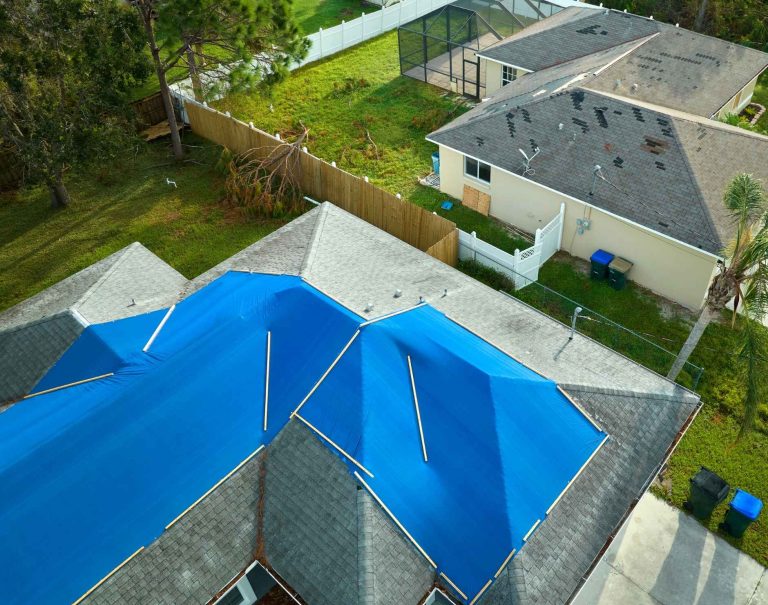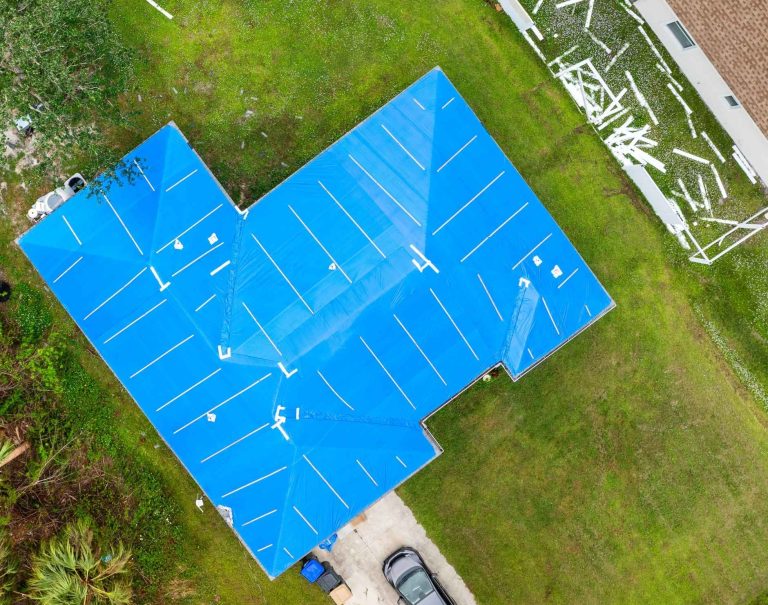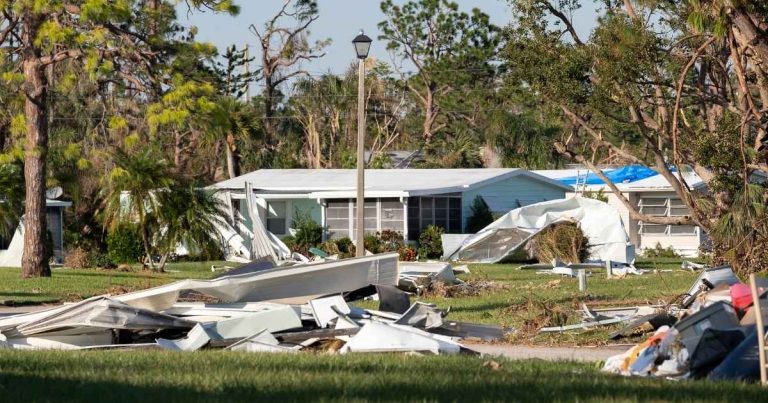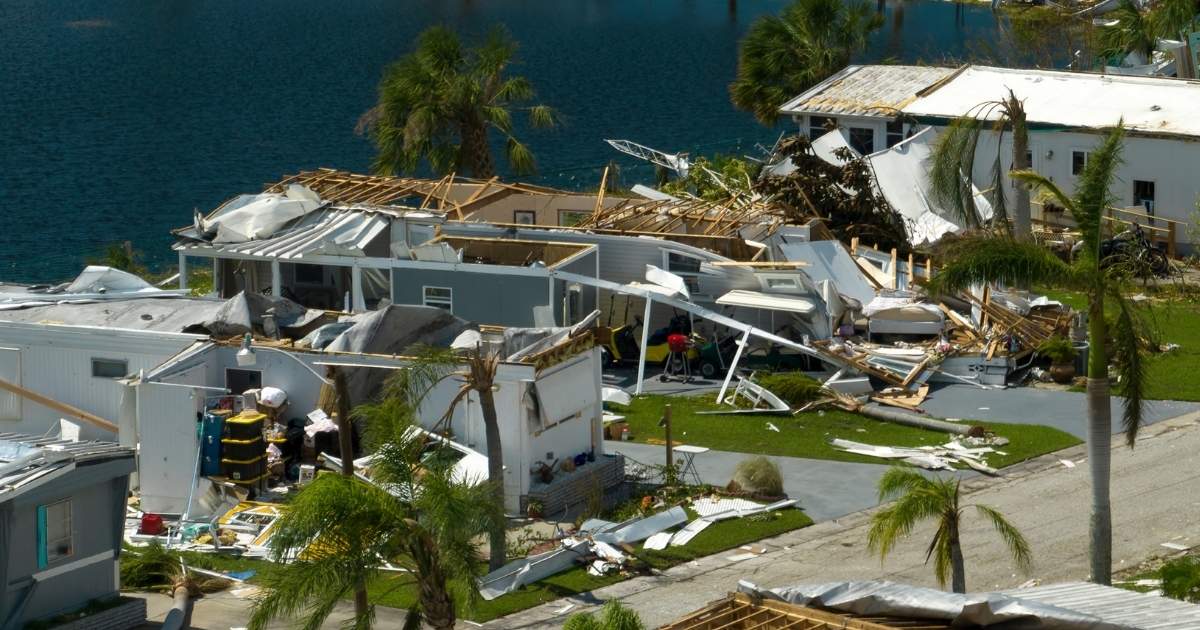
Hurricane season begins June 1. For Palm Beach County homeowners, that date is not an abstraction — it is a deadline. A roof that has not been assessed before the first named storm of the season is a roof that enters the highest-risk weather window in the United States without a documented baseline. Insurance claims filed after storm damage are stronger when the pre-storm condition of the roof is on record. Repairs that should have been completed before June 1 are significantly more expensive and harder to schedule after a storm has already moved through. This checklist covers every step a PBC homeowner should take before the season opens.
Step 1 — Schedule a professional roof inspection before May 15
A professional roof inspection by a licensed CCC contractor before hurricane season provides three things: a documented baseline condition of the roof before any storm event, identification of existing vulnerabilities that could worsen under storm conditions, and a written report that supports insurance claim documentation if damage occurs later.
For roof inspection services in Palm Beach County before hurricane season, schedule no later than May 15 — contractor availability compresses significantly as June 1 approaches and emergency repair demand begins. A pre-season inspection typically costs $150–$400 and takes 45–90 minutes. The written report it produces is worth significantly more than its cost if a claim is filed later.
Step 2 — Verify your wind mitigation certificate is current
A wind mitigation inspection report — filed on OIR-B1-1802 — is the document Citizens Insurance and private carriers use to calculate wind mitigation premium credits. These credits can reduce PBC coastal homeowners' premiums by 20–40%. The report is valid for five years. If your current report is approaching expiration, renew it before hurricane season — not after a storm event, when inspector availability collapses.
If you have never had a wind mitigation inspection, scheduling one before June 1 is the single highest-return pre-season action available. The inspection costs $75–$150 and the resulting premium credits typically pay for it within the first month.
Step 3 — Inspect and clear all gutters and downspouts
Palm Beach County receives peak rainfall of 2–4 inches per hour during storm events. A gutter system blocked by debris — palm fronds, seed pods, accumulated sediment — cannot handle that volume and will overflow, directing water against the fascia, soffit, and foundation rather than away from the structure. Gutter overflow during a storm is one of the most common sources of interior water intrusion that is not covered as storm damage — it is classified as a maintenance failure.
Clear gutters and downspouts completely before May 15. Verify that downspout extensions direct water at least three feet from the foundation. Check that gutter hangers are secure and that no sections have separated from the fascia. For homes with significant tree canopy, install micro-mesh gutter guards rated for South Florida debris load.
Step 4 — Inspect all roof flashing
Flashing is the thin metal material that seals transitions between roof planes, around penetrations, and at walls. It is the most common point of failure during storm events and the most frequent source of post-storm water intrusion claims in South Florida. Step flashing, counter flashing, valley flashing, pipe boot flashing, and chimney cap flashing should all be inspected visually before June 1.
Signs of flashing failure: visible separation from the surrounding material, rust staining on the surface below, caulk that has cracked or pulled away, or any daylight visible at a flashing joint from inside the attic. Any flashing deficiency identified before the storm season should be repaired by a licensed CCC contractor before June 1 — not assessed and deferred.
Step 5 — Confirm your roof's FBC compliance status
Palm Beach County homes built before 2002 may not have a secondary water barrier — the self-adhering modified bitumen membrane required under current Florida Building Code for all roof systems. A secondary water barrier is what keeps a home dry when roof covering is lost during a storm. Without one, the loss of a single shingle section can result in significant interior water damage.
If your home was built before 2002 and has not had a full roof replacement since then, ask your CCC contractor whether a secondary water barrier is present. Its absence is a Citizens Insurance wind mitigation disqualifier and a meaningful storm vulnerability. A secondary water barrier can be added during a partial re-roof without triggering a full replacement in most cases.
Step 6 — Photograph the current condition of your roof
Before any storm event, complete a photographic documentation of your roof's current condition. Date-stamped photographs taken before June 1 establish the pre-storm baseline that insurance adjusters use to differentiate pre-existing conditions from storm-caused damage. Cover every roof plane, all visible flashing, gutters, downspouts, skylights if present, and any areas of existing wear or prior repair.
Store these photographs in cloud storage — not only on a local device that may be damaged or inaccessible after a storm event. A dated photo set that survives the storm is one of the most effective claim-strengthening documents a homeowner can produce.
Step 7 — Review your Citizens Insurance policy before the season
Pull your current Citizens Insurance declarations page and confirm three things before June 1: your coverage limit is sufficient to cover a full roof replacement at current PBC material costs, your policy type is Replacement Cost Value (RCV) rather than Actual Cash Value (ACV), and your deductible — particularly the hurricane deductible, which is typically calculated as a percentage of the insured value rather than a flat dollar amount.
On a $400,000 home with a 2% hurricane deductible, the out-of-pocket threshold before Citizens pays anything is $8,000. On a $600,000 home with a 5% deductible, it is $30,000. Knowing your actual exposure before a storm determines whether you need to adjust coverage before the season opens.
Step 8 — Identify a licensed CCC contractor before the storm
The most effective hurricane preparation a PBC homeowner can complete is establishing a relationship with a licensed CCC contractor before the season begins. After a named storm, contractor availability in Palm Beach County drops sharply. Unlicensed storm chasers arrive within hours. Wait times for licensed contractors with available crews can reach 6–12 weeks.
A contractor identified and vetted before June 1 — license verified at myfloridalicense.com, insurance confirmed, permit history checked — is a contractor who can respond to your property within days of a storm event rather than months. This difference directly affects your Citizens Insurance claim timeline and your ability to prevent secondary damage while waiting for permanent repairs.
For licensed storm damage roof repair in Palm Beach County by DBPR-verified CCC contractors available before and after storm events, the time to establish that relationship is now — not after the first named storm of the season.
- ✓ Schedule professional roof inspection — by May 15. Licensed CCC contractor, written report, documented baseline condition before any storm event.
- ✓ Verify wind mitigation certificate is current. Valid for 5 years from inspection date. If expiring or never obtained, schedule before June 1. Cost: $75–$150. Premium savings: 20–40% in coastal zip codes.
- ✓ Clear all gutters and downspouts completely. Palm frond debris, seed pods, and sediment buildup must be removed. Verify hanger integrity and downspout extension distance from foundation.
- ✓ Inspect all roof flashing. Step, counter, valley, pipe boot, and chimney flashing. Any visible separation, rust staining, or cracked caulk should be repaired before June 1 — not deferred.
- ✓ Confirm secondary water barrier status for pre-2002 homes. Ask your CCC contractor. Absence is a Citizens Insurance wind mitigation disqualifier and a storm vulnerability.
- ✓ Photograph complete roof condition with date stamps. All roof planes, flashing, gutters, and any existing wear. Store in cloud storage accessible after a storm event.
- ✓ Review Citizens Insurance policy — coverage limit, RCV vs ACV, hurricane deductible percentage. Know your actual out-of-pocket exposure before June 1.
- ✓ Identify and vet a licensed CCC contractor before the season. Verify at myfloridalicense.com. Active license, current insurance, clean permit history. Establish the relationship before demand spikes post-storm.
- ✓ Repair any pre-existing unrepaired damage before June 1. Pre-existing damage documented before the season protects your claim for new damage. Unrepaired pre-existing damage creates claim complications.