
Florida Product Approval is the state certification that a roofing material has been tested to perform under the specific wind, impact, and installation conditions required by Florida Building Code for the climate zone where it is installed. In Palm Beach County's High Velocity Hurricane Zone, it is a non-negotiable installation requirement — not a best practice, not a recommendation, and not something a contractor can substitute with a national rating or a manufacturer's warranty claim. Every shingle, tile, metal panel, underlayment system, and membrane installed on a PBC roof must carry a current Florida Product Approval for PBC's design wind speed zone. This guide explains how the approval system works, how homeowners can verify it, and what it means when a contractor cannot provide an approval number for a proposed product.
What Florida Product Approval is and how it works
The Florida Product Approval system is administered by the Florida Building Commission under Chapter 553 of the Florida Statutes. Manufacturers who want to sell roofing products for installation in Florida submit their products for testing by a Florida-approved testing laboratory. The test protocols evaluate wind uplift resistance, impact resistance (for HVHZ applications), water infiltration resistance, and installation requirements — under conditions that simulate Florida's design wind speeds and rainfall intensity.
Products that pass testing receive a Florida Product Approval (FPA) number — a unique identifier that links the product to its test reports, installation requirements, and the climate zones and design wind speeds for which it is approved. The approval is specific: it covers a specific product, a specific manufacturer, specific installation methods, and specific design wind speed ranges. A shingle product approved for installation in Zones 1–2 (north Florida, lower wind speed) is not automatically approved for PBC's HVHZ — the approval must specifically cover the 160–175 mph design wind speed zone applicable to PBC.
The FPA number is searchable at floridabuilding.org under the Product Approval search function. Entering the FPA number or searching by manufacturer and product name produces the full approval detail — including the product name, manufacturer, approved installation methods, wind speed range, impact resistance classification, and the expiration or revision date of the approval.
What products require Florida Product Approval in PBC
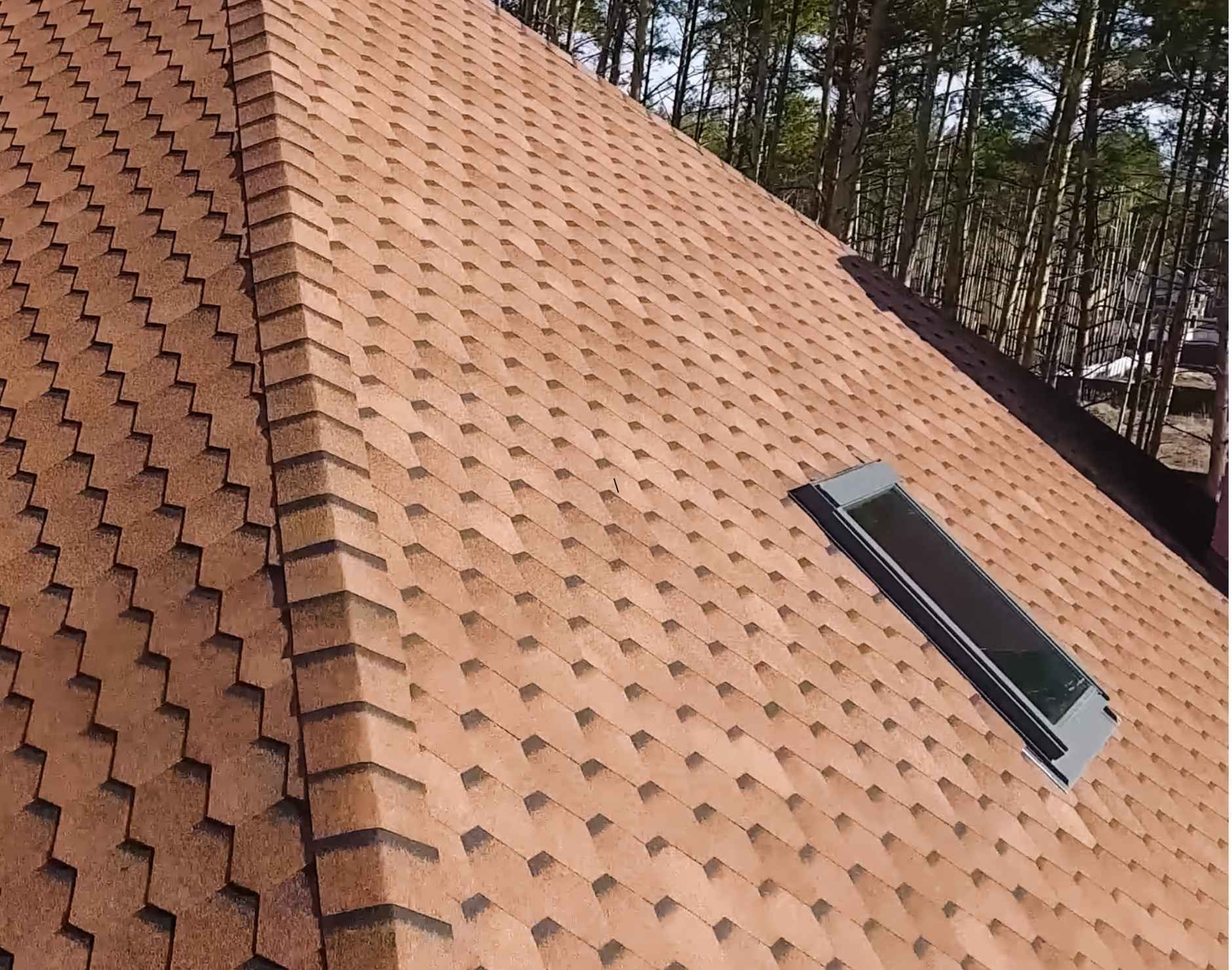
Every primary and secondary roofing component installed on a PBC building in the HVHZ requires Florida Product Approval. The product categories that must carry current FPA for any PBC roof installation are: primary roof covering (shingles, tiles, metal panels, single-ply membranes); underlayment systems (felt, synthetic, or self-adhering); fasteners and adhesives used in the roofing system; ridge and hip components; skylights and solar tube domes; and perimeter edge metal and termination bars on flat roofing systems.
This comprehensive scope means that a roof replacement in PBC involves multiple FPA numbers — one for the primary covering, one for the underlayment, potentially one for the adhesive or fastener system. A contractor who can only provide the FPA for the primary covering but not for the underlayment is providing an incomplete compliance documentation package for a PBC installation. Licensed roof replacement contractors in Palm Beach County assemble the full multi-FPA package as standard scope.
The most common compliance gap in PBC roofing proposals is underlayment FPA. Contractors who are meticulous about specifying an FPA-compliant shingle or tile sometimes use a generic or non-HVHZ-approved underlayment below it — a compliance violation that is invisible from the completed roof surface but that building inspectors check at the dry-in inspection. For roofing services in Palm Beach County with FPA documentation for every system component provided as a standard proposal element, the approval package is assembled before the contract is signed — not sourced after the materials arrive on site.
How to verify a Florida Product Approval
Go to floridabuilding.org. Select "Product Approval" from the main menu. Use the search function to look up the FPA number provided by the roofing contractor, or search by manufacturer name and product category to find the applicable approval.
The product approval detail page shows: the FPA number; the manufacturer name; the product name and description; the approval date and any revision history; the testing laboratory that conducted the evaluation; the approved installation methods (specific fastener patterns, adhesive application methods, or attachment details); the wind speed range for which the product is approved; and any conditions or limitations on the approval.
Verify three things: first, that the approval is current — not expired or superseded by a newer revision. Second, that the approved wind speed range covers PBC's design wind speed for your specific location (160–175 mph depending on your proximity to the coast). Third, that the installation method specified in the proposal matches the method covered by the approval — a product approved for mechanically attached installation is not approved for fully adhered installation under the same FPA number.
What happens when a product does not have current FPA
A building inspector reviewing a PBC roofing permit application verifies that the proposed products carry current Florida Product Approvals for the HVHZ design conditions. A permit application that includes products without current FPA will not be approved — the contractor must substitute a compliant product before the permit is issued. A product that was FPA-compliant when the permit was applied for but whose approval has since expired requires documentation of the approval status at the time of installation.
For products installed without permit — work performed outside the permit process — there is no building department review of FPA compliance. An unpermitted installation using non-FPA products is doubly non-compliant: it violates the permit requirement and the product approval requirement simultaneously. The homeowner who discovers years later that their unpermitted roof used non-FPA products faces a compounded compliance problem that affects both insurance coverage and property resale.
Product approvals expire and are revised when manufacturers update their products, change installation requirements, or when testing standards change. An FPA that was valid in 2021 may have been superseded by a revised approval in 2024 — with different installation requirements than the original approval. A contractor who uses a product under an outdated FPA may be installing a product that no longer meets the current approval's installation requirements, even if the product itself is physically unchanged. Verifying that the specific FPA cited in a proposal is the current active approval — not a superseded version — is a 60-second check at floridabuilding.org that provides meaningful compliance assurance. Verified roofers in Jupiter and across PBC list current FPA numbers on every proposal.
For a complete explanation of how Florida Building Code Chapter 15 governs every roofing installation in PBC — including the full regulatory context in which Florida Product Approval operates — see our FBC roofing guide.
- Request the Florida Product Approval number for every proposed roofing system component — not just the primary covering.** Shingles, tiles, underlayment, fasteners, and edge metal all require current FPA for PBC's HVHZ. An incomplete FPA package is an incomplete compliance documentation package.
- Verify the FPA at floridabuilding.org before signing the contract.** Confirm the approval is current (not expired or superseded), covers PBC's 160–175 mph HVHZ design wind speed zone, and that the proposed installation method matches the approved method in the FPA detail.
- Do not accept a national product rating as a substitute for a Florida Product Approval.** ASTM ratings, UL listings, and national wind resistance ratings are not Florida Product Approvals. Request the FPA number specifically.
- Confirm the FPA covers the specific installation method proposed.** A product approved for mechanically attached installation is not approved for fully adhered installation under the same FPA. The installation method must match the FPA specification.
- For underlayment, request the FPA number separately from the primary covering.** Underlayment FPA is the most commonly omitted compliance element in PBC roofing proposals. It is as required as the primary covering FPA.
- After installation, retain the FPA documentation with your permit records.** FPA numbers are part of the permit application package. Retaining them with your permit close documentation provides the compliance record for insurance and resale purposes.


