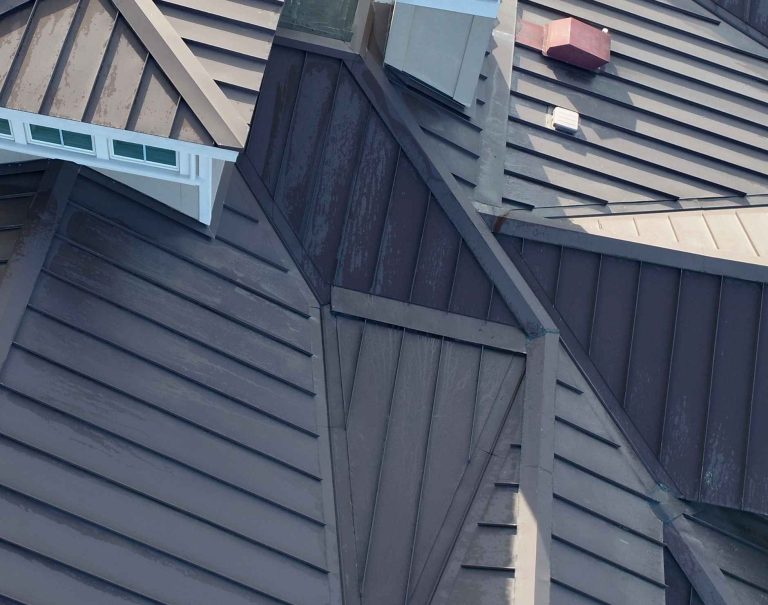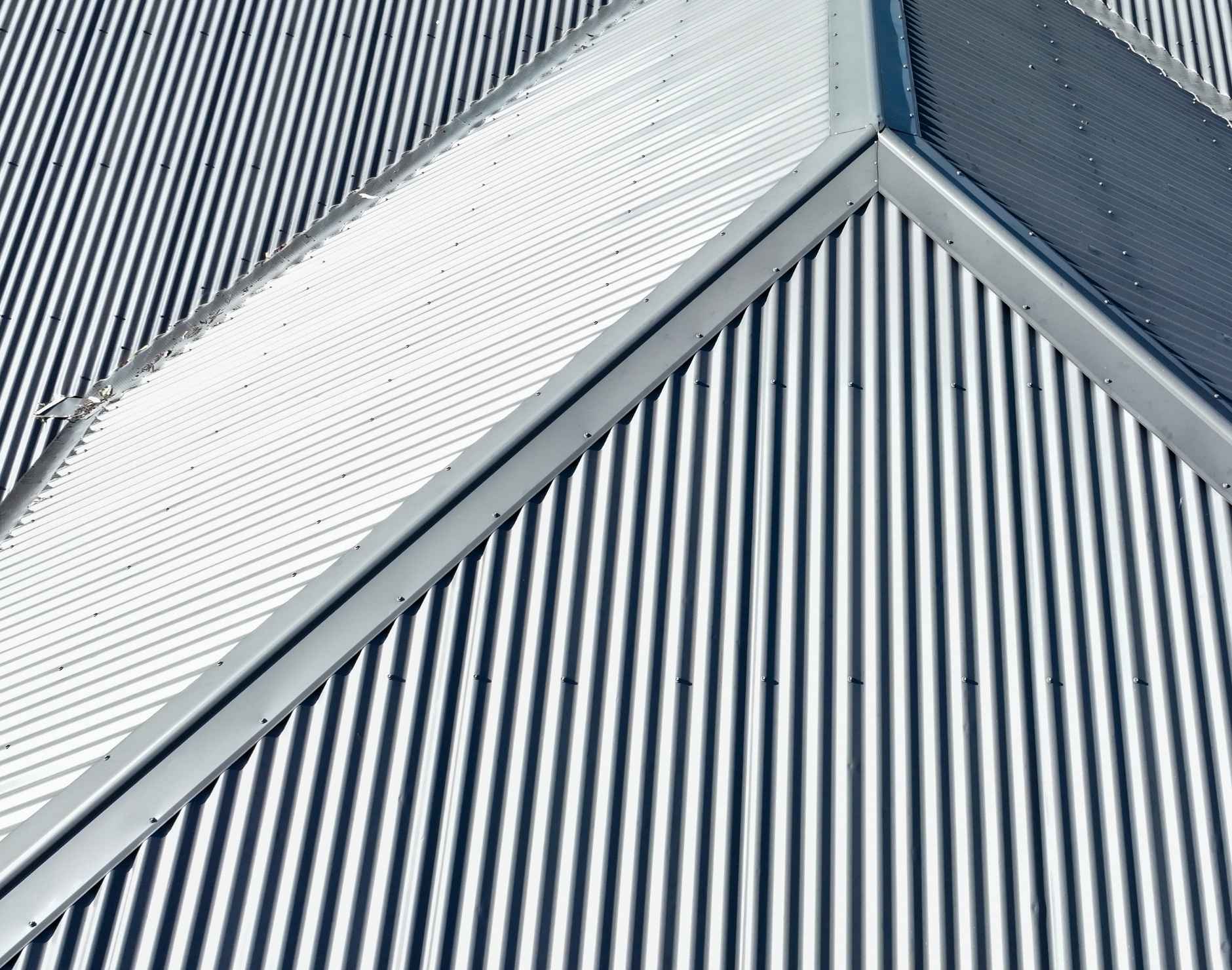
A metal roof in Palm Beach County is only as wind-resistant as the attachment system beneath its panels. The panel material — aluminum or Galvalume — determines corrosion resistance and service life. The attachment system — clip type and spacing for standing seam, fastener pattern and specification for metal tile — determines whether the roof stays in place during a 160–175 mph wind event. Florida Building Code Chapter 15 governs both, and the Product Approval document for each metal roofing product is the binding specification that a licensed CCC contractor must follow. A metal roof installed outside its Product Approval parameters is non-compliant regardless of how well the work was executed.
Palm Beach County's design wind speed zone for metal roofing
Palm Beach County falls within Florida's High Velocity Hurricane Zone for building code purposes. Design wind speeds across PBC range from 160 mph in the westernmost inland municipalities to 175 mph on barrier islands and coastal properties. These design wind speeds determine the uplift and lateral forces that the roof attachment system must resist — and therefore the clip spacing, fastener pattern, and substrate requirements specified in each product's Florida Product Approval.
The design wind speed for a specific property is determined by its location on Florida's wind speed map and its exposure category — based on proximity to open water, surrounding terrain, and building height. A two-story oceanfront property in Palm Beach faces a higher design wind pressure than a single-story inland home in Westlake at the same design wind speed because building height and open-terrain exposure amplify the effective wind force on the roof system.
How standing seam resists wind — the clip mechanism
Standing seam's wind resistance is achieved entirely through its concealed clip system. Each clip is a formed metal bracket that engages the panel seam from below and fastens to the roof substrate through the clip's base plate. The clip holds the panel against uplift forces without penetrating the panel face — there are no screws through the panel surface, no washer-sealed fastener heads, and no penetrations that can back out or deteriorate.
The clip spacing specified in a standing seam product's Florida Product Approval determines the maximum design wind pressure the system can resist. Clips installed at 12-inch spacing resist significantly higher uplift forces than the same clips at 24-inch spacing. A licensed CCC contractor installing standing seam must follow the Product Approval's clip spacing specification for the applicable design wind pressure at the installation location — field zone, edge zone, and corner zone spacings are each specified independently because these zones experience different design wind pressures on the same roof.
The seam type also affects wind performance. A mechanically seamed panel — where the seam is folded over with a seaming machine after installation — provides a more positive panel-to-clip engagement than a snap-lock panel. Mechanically seamed systems typically carry Product Approval for higher design wind pressures than snap-lock systems of equivalent gauge.
How metal tile resists wind — the fastener mechanism
Metal tile's wind resistance is achieved through the fastener pattern specified in the product's Florida Product Approval. Each panel is secured with corrosion-resistant screws through the panel surface into the substrate below, with the fastener count and pattern per panel specified in the Product Approval document.
The exposed fastener characteristic of metal tile creates two wind-performance considerations that standing seam does not share. First, the fastener must be correctly specified for corrosion resistance — in coastal applications, stainless steel fasteners are required; standard steel or zinc-plated fasteners in a coastal environment corrode and lose holding strength before the panels reach their service life. Second, the fastener must be correctly torqued at installation — overtightened fasteners crush the panel and create stress concentrations; undertightened fasteners do not achieve the pull-through resistance specified in the Product Approval.
Corner and edge zone fastener patterns for metal tile — where design wind pressures are highest — require more fasteners per panel than field zone patterns. A metal tile installation that uses field zone fastener patterns throughout, without increasing fastener density at corners and edges, is non-compliant for those zones and will show panel loss at edges and corners in a wind event.
For metal roofing services in Palm Beach County — standing seam or metal tile — Product Approval compliance at field, edge, and corner zones is a standard component of every licensed CCC contractor's installation scope.
Florida Product Approval — what it means for metal roofing
Every metal roofing product installed in Florida must carry a current Florida Product Approval issued by the Florida Building Commission. The Product Approval document for each product is the binding installation specification — it identifies the maximum design wind pressure the system can resist at specified attachment parameters, the required substrate, the minimum roof slope, the applicable wind speed zones, and the fastener or clip specification for each roof zone.
A metal roofing installation that uses a product without current Product Approval is non-compliant under FBC Chapter 15 regardless of the quality of the workmanship. A Product Approval for a system installed at parameters outside the approved envelope — wrong clip spacing, wrong fastener count, wrong substrate type — is equally non-compliant. The Product Approval is not a general endorsement of the product — it is a specific set of installation parameters that must be followed precisely.
When evaluating any metal roofing proposal, ask for the Florida Product Approval number for the specified product and confirm that the proposed installation parameters match the Product Approval specification. A contractor who cannot or will not provide this documentation is proposing a product or installation that cannot be verified as FBC-compliant.
Secondary water barrier — the wind resistance complement
FBC Chapter 15 requires a secondary water barrier on metal roofing installations in PBC's HVHZ — the same self-adhering modified bitumen membrane required under tile systems. The secondary water barrier's role in wind resistance is not structural — it does not keep panels attached. Its role is to maintain weather resistance if panels are displaced or damaged during a wind event, preventing the interior water entry that a panel loss event without secondary protection would produce.
A metal roof without a secondary water barrier that loses panels in a storm event is fully exposed to rain entry at every displaced panel location. With a secondary water barrier, the structure remains dry until permanent repairs can be made — which is precisely the protection the FBC requirement was designed to provide based on post-storm observations from the 2004–2005 hurricane seasons.
Wind compliance and Citizens Insurance
Citizens Insurance wind mitigation credits for metal roofing are calculated on OIR-B1-1802 using the same construction feature framework as tile and shingle systems. The roof covering credit category evaluates whether the installed metal product carries a current Florida Product Approval for the applicable wind speed zone. Secondary water barrier presence is documented and credited independently. Both features affect the wind mitigation premium credit calculation.
A metal roof installed without Product Approval documentation or without secondary water barrier does not qualify for these credit categories — the wind mitigation credits that could reduce Citizens Insurance premiums by $800–$2,500 annually in coastal PBC zip codes are forfeited. For licensed storm damage assessment and repair services in Palm Beach County following any wind event that damages metal roofing, a licensed CCC contractor's attachment compliance assessment is the starting point before any repair scope is authorized.
- Ask for the Florida Product Approval number for the specified metal roofing product before signing.** The Product Approval defines the binding installation specification. A contractor who cannot provide this number is proposing an unverifiable installation.
- Confirm zone-appropriate attachment — field, edge, and corner zones specified independently.** Clip spacing or fastener patterns must be more robust at corner and edge zones than in the field. Uniform field-zone attachment is non-compliant at corners and edges.
- For standing seam, confirm seam type — mechanically seamed or snap-lock.** Mechanically seamed systems typically carry Product Approval for higher design wind pressures. Confirm the specified seam type matches the Product Approval requirements for your property's design wind pressure.
- For metal tile, confirm corrosion-resistant fastener specification.** In coastal applications, stainless steel fasteners are required. Standard or zinc-plated fasteners corrode in the salt-air zone and lose holding strength before the panels reach service life.
- Confirm secondary water barrier is a written line item in the scope.** FBC requires secondary water barrier on metal roofing installations in PBC's HVHZ. Its absence is a compliance gap that affects both final inspection and Citizens Insurance wind mitigation credits.
- After installation, verify Product Approval compliance at a representative sample of corner and edge zones.** A licensed CCC contractor can confirm attachment compliance by examining clip engagement or fastener count and pattern at corner and edge locations.