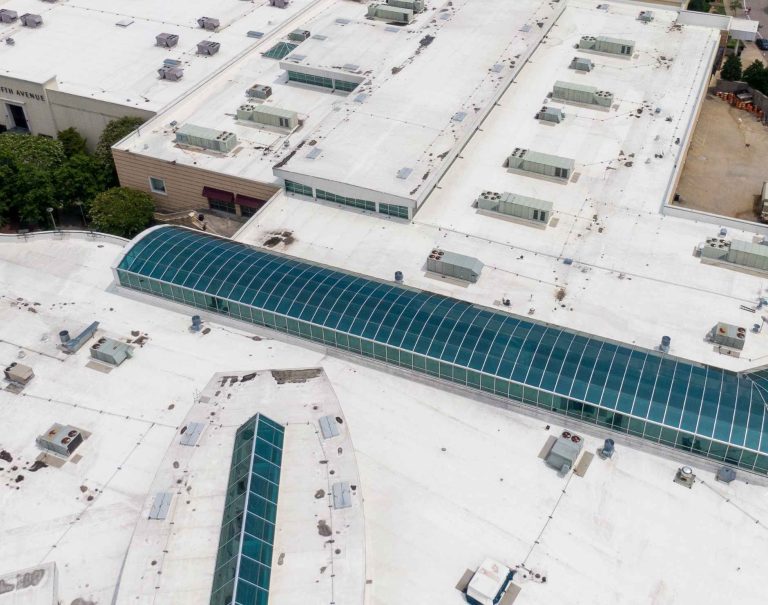
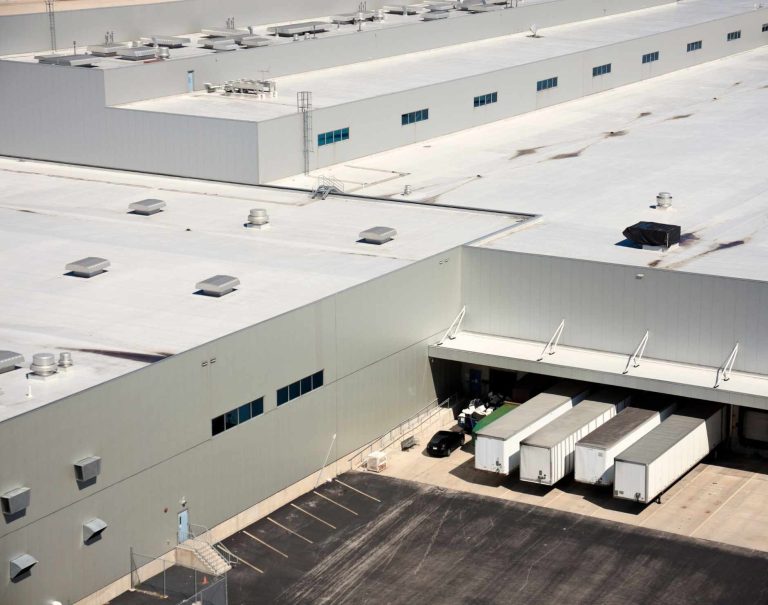
Condominium roof replacement in Palm Beach County operates under a fundamentally different legal and financial framework than single-family residential replacement. Florida Statute 718 governs condominium associations, Senate Bill 4-D (2022) imposed new structural reserve and inspection requirements following the Surfside collapse, and the Structural Integrity Reserve Study (SIRS) mandate has directly changed how PBC condo associations must fund and schedule major roof replacements. Understanding these requirements — and the liability exposure for boards that ignore them — is essential for any Palm Beach County condo board member, unit owner, or property manager involved in a roof replacement decision.
Florida Statute 718 — The Governing Framework for Condo Roof Decisions
Florida Statute 718 (the Florida Condominium Act) establishes the authority, obligations, and limitations of condominium associations in Florida. For roof replacement specifically, several provisions of FL 718 directly govern the decision-making process.
718.112(2)(f) — Reserve requirements. Florida law requires condominium associations to maintain reserve accounts for specific capital components including roofing. Prior to SB 4-D, associations could vote to "waive" full reserve funding — a common practice that resulted in chronically underfunded reserves and deferred maintenance across Florida's condo inventory. SB 4-D, effective December 31, 2024, eliminated the ability of most associations to waive or reduce reserves below the SIRS-required funding level for structural components including the roof.
718.111(11) — Maintenance responsibility. FL 718 assigns maintenance responsibility between the association and unit owners. In most PBC condo declarations, the association is responsible for the roof, exterior walls, and common elements — which means the association bears the financial responsibility for roof replacement, not individual unit owners. Unit owners fund replacement through their monthly assessments and any special assessment levied for capital projects.
718.116 — Assessments. When reserves are insufficient to fund a required roof replacement — which is the situation many PBC condo associations now face after years of waived reserves — FL 718 allows the board to levy a special assessment on unit owners. The assessment must follow specific notice and procedural requirements. Unit owners who fail to pay a special assessment can have a lien placed on their unit under FL 718.116.
Senate Bill 4-D (2022) — What Changed and Why It Matters
Senate Bill 4-D, signed into law in May 2022 following the June 2021 Champlain Towers South collapse in Surfside, introduced two requirements that directly affect roof replacement planning for PBC condo associations:
Milestone Inspections. Condominiums three stories or taller are required to complete a Milestone Inspection by December 31, 2024 if the building reached 30 years of age (25 years if within 3 miles of the coast). The Milestone Inspection is a two-phase structural inspection by a licensed engineer or architect. Phase 1 is a visual inspection. If Phase 1 identifies concerns, Phase 2 requires a more invasive investigation. Roof condition is evaluated as part of the Milestone Inspection — buildings with roofs requiring immediate attention may receive findings that trigger mandatory remediation.
Structural Integrity Reserve Study (SIRS). Condo associations of three stories or more were required to complete a SIRS by December 31, 2024. The SIRS is an engineering-based assessment that establishes the remaining useful life and replacement cost of structural components including the roof, load-bearing walls, floor/ceiling assemblies, plumbing, electrical, and other defined elements. The SIRS output is a funding schedule that the association must follow — there is no longer a legal path to simply voting away the reserves that the SIRS requires.
How SIRS Changes Roof Replacement Planning
Before SB 4-D, a PBC condo association board could defer a roof replacement by voting to waive reserves, spending down existing reserves on other priorities, or simply delaying. After SB 4-D, the SIRS establishes a mandatory funding schedule for the roof based on its remaining useful life and estimated replacement cost. If the SIRS says the roof has 8 years of remaining life and costs $800,000 to replace, the association must fund $100,000 per year in the roof reserve account — regardless of what the board would prefer to do with that money.
This change has significant practical implications for PBC condo communities. Associations with aging roofs and chronically underfunded reserves now face either: aggressive special assessments to bring reserves to required levels while also paying current operating costs, or deferred replacement that creates compounding maintenance costs and increasing insurance risk. Many PBC condo associations are currently working through exactly this calculation. CBC-licensed roofers serving Highland Beach and PBC's other condo-dense municipalities handle SIRS-driven replacements routinely.
Insurance Implications for Condo Roofs
Citizens Insurance and private market carriers have tightened their condo association underwriting requirements in parallel with SB 4-D. Association master policies — which cover the building structure including the roof — are increasingly subject to roof age requirements similar to those applied to single-family homes. An association with a roof over 25 years old may face Citizens non-renewal or significant premium increases that further strain the association budget.
For associations facing this combination of SIRS-required replacement funding and insurance premium escalation, the financial case for accelerating the roof replacement becomes compelling: a new roof resets the Citizens age clock, may produce wind mitigation premium savings on the master policy, and satisfies the SIRS requirement simultaneously. The question is funding — which is where special assessments, association loans, and reserve fund restructuring become relevant. See our roof financing options guide for context on how associations can structure replacement funding.
Selecting a Contractor for Condo Roof Replacement
Commercial-scale condo roof replacement in Palm Beach County — covering multiple buildings, complex roof geometries, and occupied-building logistics — requires a contractor with experience beyond standard residential replacement. Commercial roofing contractors in Palm Beach County with condo-scale experience are the correct starting pool. Key requirements: CBC license (not just CCC) for projects involving common areas and structural elements in multi-unit buildings, commercial general liability insurance at appropriate limits (typically $2M minimum for multi-building condo projects), workers' compensation for all crew members, and documented experience with occupied-building roof replacement including resident notification protocols, staging logistics, and phased completion schedules. Phased schedules run far longer than residential jobs; the baseline sequence is in the roof replacement timeline guide. All of this should be verifiable through the contractor's Florida DBPR license record and insurance certificates before any contract is executed.
- Confirm Milestone Inspection has been completed if building is 3+ stories and 25-30 years old — statutory deadline was Dec 31, 2024
- Confirm SIRS has been completed and a compliant reserve funding schedule is in place
- Review current roof reserve balance against SIRS-required funding level — identify any shortfall
- If roof replacement is within 5 years per SIRS, begin contractor selection and insurance assessment now
- Confirm master policy carrier's roof age underwriting requirements — Citizens non-renewal risk for roofs over 25 years
- Verify contractor holds CBC license (not just CCC) for commercial condo scope work
- Require $2M+ commercial general liability and workers' comp certificates from all bidding contractors
- Develop unit owner communication plan before work begins — occupied building logistics require advance notice
- Consult a Florida condominium attorney before levying a special assessment for roof replacement
- Schedule wind mitigation inspection after replacement — master policy premium savings can be substantial