Palm Beach County's climate creates a distinct roofing season that differs significantly from the rest of the United States. The combination of a defined rainy season (June through October), hurricane season (June 1 through November 30), and intense summer heat creates real constraints on when roof replacement can be safely and effectively performed. Understanding the optimal timing window — and the trade-offs of each season — allows PBC homeowners to plan replacements strategically rather than reactively.
The Florida Roofing Calendar
Palm Beach County has two distinct weather seasons that directly affect roofing work.
Dry season: November through May. Lower humidity, minimal rainfall, cooler temperatures (average highs 75-85°F), and no hurricane risk*. This is the optimal window for roof replacement in the Palm Beaches. Local roofing contractors can work longer daily hours without heat-related delays, adhesives and sealants cure properly in moderate temperatures, and there is no risk of a storm interrupting an open roof mid-installation.
Rainy season: June through October. Daily afternoon thunderstorms, high humidity, intense heat (average highs 88-93°F), and active hurricane season. Roofing work can and does proceed during the rainy season, but with significant challenges: work must be completed or secured before daily afternoon storm windows, heat exhaustion risk increases for crews, and an open roof during an unexpected storm creates immediate water intrusion risk.
Why November Through March Is the Optimal Window
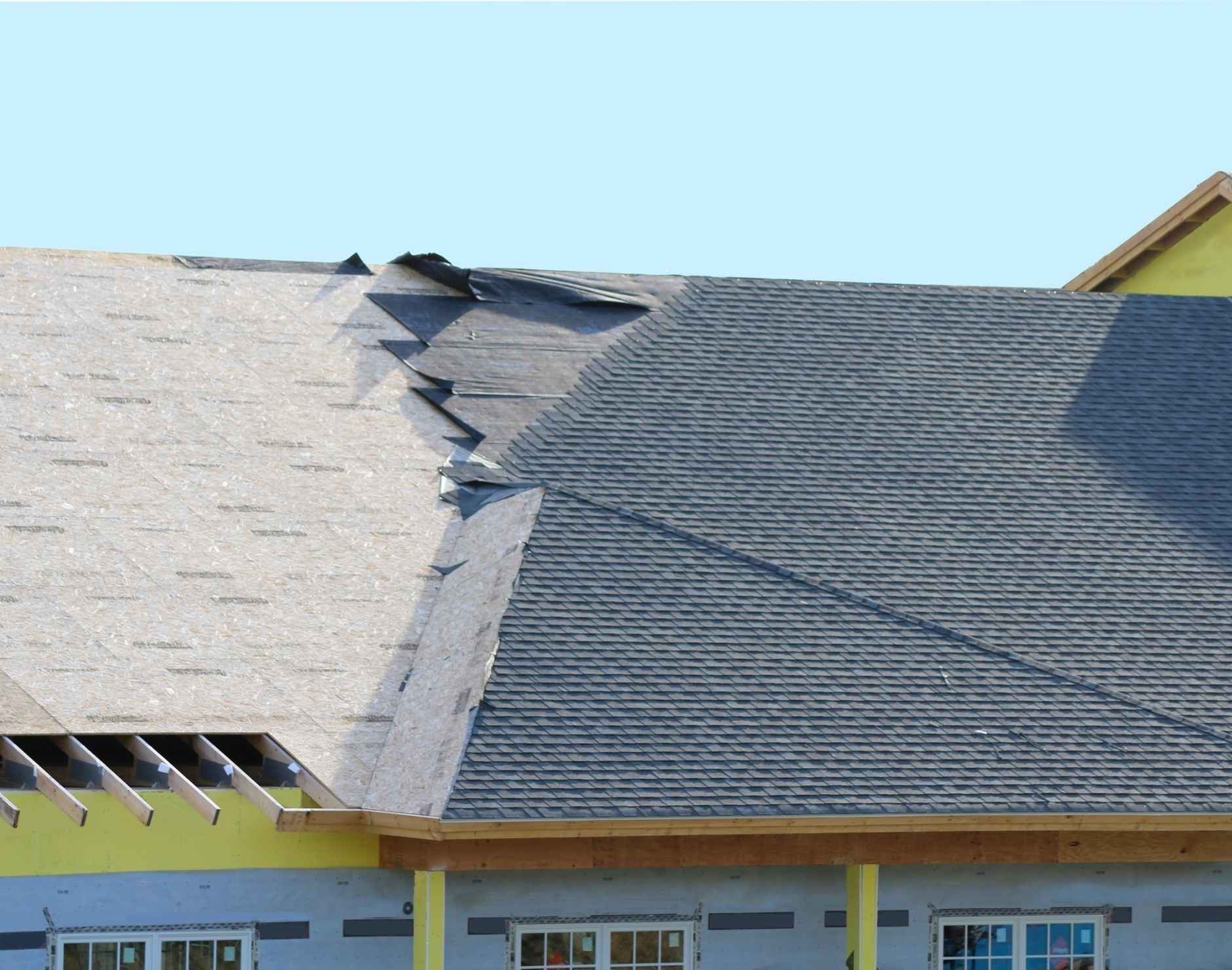
The three-month window from November through January is the single best time to replace a roof in Palm Beach County. Contractor availability is better as post-hurricane season work wraps up. Material availability is stronger — tile manufacturers catch up on post-season backlogs by late fall. Weather predictability allows contractors to plan multi-day installations with confidence. A tile replacement requiring 3-5 days of exposed deck time is manageable in November but risky in August. Full phase-by-phase durations are in the roof replacement timeline guide. Permit processing through Palm Beach County Building Division is also typically faster when the post-storm surge of emergency permit applications has passed.
The Pre-Season Rush — Why Spring Is Risky
April and May see a surge in roofing demand as homeowners try to complete replacements before hurricane season. The best roofing contractors fill their schedules in March, leaving less experienced crews available for April and May bookings. Material lead times also lengthen as spring demand peaks. Verified roofers in Jupiter and across PBC book their dry-season slots months ahead. If you are planning a pre-season replacement, start contractor selection in January or February — not April.
Rainy Season Replacements - When They Make Sense
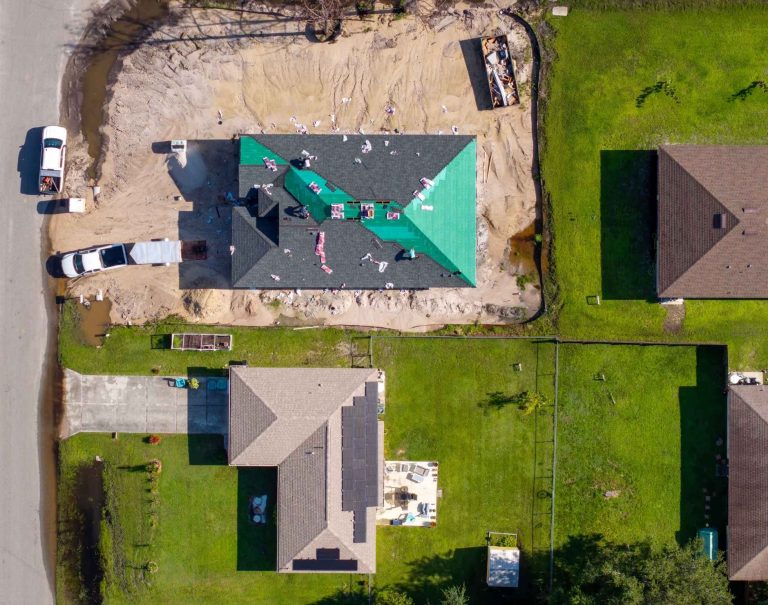
Despite the challenges, rainy season replacements are sometimes necessary — particularly following storm damage, when Citizens Insurance issues a replacement requirement with a deadline, or when a home sale timeline drives the schedule. Experienced PBC contractors have protocols for rainy season work: early morning starts to complete critical exposed-deck stages before afternoon storms, staged installation that minimizes open-roof time, and same-day tarp procedures if weather interrupts work. Ask your contractor specifically: what is your rainy season installation protocol?
Emergency Replacements — No Timing Choice
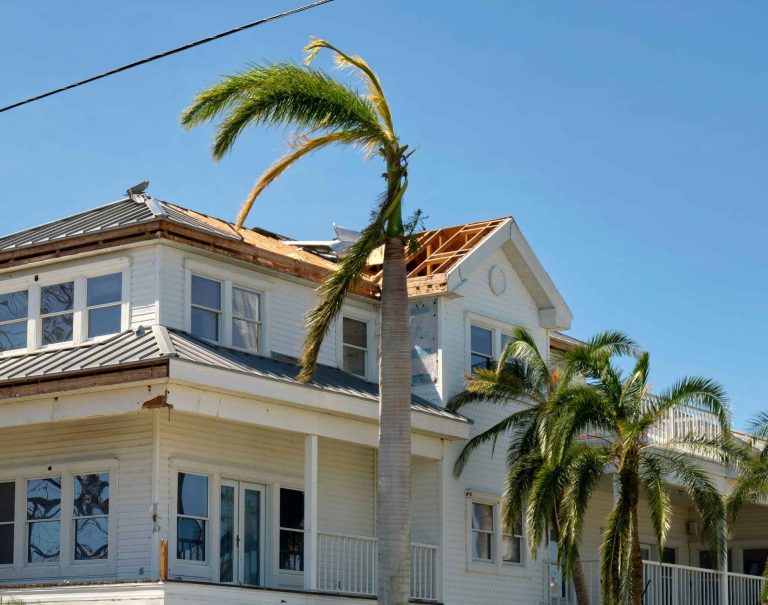
Post-hurricane replacements follow demand, not the calendar. After a major storm event in PBC, licensed contractors have 4-8 week backlogs within days. Homeowners who established a contractor relationship before the storm get scheduled ahead of homeowners who call after the event. The pre-season sequence is in the hurricane season roof prep checklist. This is one of the strongest arguments for finding a verified storm damage contractor before hurricane season rather than after.
- Target November through March for a planned roof replacement — optimal weather, availability, and pricing
- Begin contractor selection in January or February if targeting pre-season completion before June 1
- Avoid scheduling full replacement in April/May — demand surge depletes best contractor availability
- If rainy season replacement is required, ask contractor specifically about their weather interruption protocol
- Confirm material lead times before signing contract — tile can have 4-8 week lead times post-storm
- Never leave a roof open overnight during June-November without explicit storm protection protocol
- Get on a contractor's priority list before hurricane season if your roof is aging
- Check PBC Building Division permit processing times before scheduling — dry season permits process faster